We are living near Yankton on the South Dakota / Nebraska border and the banks of the mighty Missouri River. It’s about 90 minutes drive south from Sioux Falls. The town has around 13500 residents and is basically a rural centre. This is confirmed by the three huge farm equipment yards, farm chemical suppliers and cattle sale yards that line the highway as you drive into town as well as the number of times you are held up by agricultural equipment in the environs. The town spreads north over the flat prairie from the river in the typical American grid system and generally has large blocks and wide streets. The old town centre is never really busy and parking is never a problem. It seems that the active business area has moved from here to along the main north highway out of town. Peak hour traffic lasts from 4:45 to 4:47pm.
Here is some plagiarized history.
Modern-day Yankton first welcomed people onto its soil hundreds of years ago when Native Americans, from the Arikara to the Yankton Dakota Sioux Indians settled near the joining of the James and Missouri rivers.
Transplanted Americans soon followed when, in 1804, explorers Lewis & Clark passed through on their journey west. General George Custer and his cavalry also camped near Yankton in 1876 before their fateful battle with the Native Americans took place in Montana.
The wild west visited Yankton one year later in 1877 when the killer of Wild Bill Hickok, Jack McCall was hanged after his trial in town. McCall is buried in Yankton cemetery.
Steamboats passed through Yankton from the 1860s to the 1880s carrying explorers, workers and cargo. Several prominent ship captains decided to dock in Yankton and call it home.
The Benedictine Sisters soon followed to bring religion to the growing town of Yankton. They arrived in 1887 and more than a century later have contributed to the community with a regional medical center, Mount Marty College, monastery and chapel.
The Meridian Bridge, a long-time sight of the Yankton skyline, connected Yankton and Nebraska in 1924.
Big name entertainers and politicians found their start at WNAX radio, which began broadcasting in 1922. U.S. Senator Chan Gurney spread his message about aviation and Missouri River dams on WNAX. Musical giant Lawrence Welk brought his band to Yankton and received national recognition from WNAX's coverage.
The 1950s saw the creation of Gavins Point Dam, a part of the federal flood control project known as the Pick-Sloan Plan. Now one of the busiest recreation areas for fishing, swimming, boating and hiking, the Lewis & Clark Lake area greets visitors from all over. The Lake area is also home to the bald eagle and many rare and native fish species.
(©Copyright Yankton Daily Press & Dakotan)
Life in Yankton is pretty easy. Nothing much happens in a hurry.The people are friendly and always up for a chat.
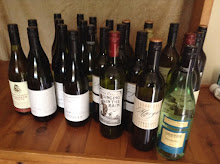
The restaurant scene is basic with lots of fast food outlets as well as the eat and run buffets but we have found a good mex and pizza place in town. There are a few smaller wine shops with a limited selection but the local HyVee supermarket has a rather large grog shop which features a good range of local as well as overseas wines. Australia is well represented although some of the brands are unknown to me. Must be a marketing thing. And it seems like stylized Aboriginal paintings on the labels are all the rage.
Amid some controversy, Wal-Mart has opened one of its supacentres in town and it’s huge! It employs 400 town people. One wonders how it can be supported but guess the surrounding rural area is the additional source of customers. It has a very “nice” gun department too. Buying a Magnum at the supermarket takes on a whole new meaning.
There’s a five screen cinema in the local mall as well as a good library. We have seen two don’t bother movies “Monster in Law” and “The Perfect Man” (isn’t that tautology?).
We went to the Lewis and Clark Theatre (classic art deco building) to see a local production of “Seven Brides for Seven Brothers” which was very entertaining. It appears the roots of American live theatre is alive and well in this town.
Just up the road is the Gavins Point Dam and its recreation area.
The dam is an important stop on the Lewis and Clark Trail. It was here at Calumet (means peace) Point that the Corps of Discovery held a three day peaceful council with the Yankton Sioux. It’s a little ironic that this historic area was three quarters destroyed during the construction of the dam wall.
We have spent a lot of time in this area sitting quietly in the many tree shaded areas reading and enjoying the water views (we both miss the ocean!). I like watching the squirrels, chipmunks and gophers “doing their thing” much to the amusement of the local resident. The other night we were there until late with friends whose kids were fishing. They brought in a huge catfish as well as a number of undersized bass and walleye. The bait they were using was live leeches. At $3 for 10 I have a fortune living around my creek at home. There is a lot of other wild life around including deer, skunks and coons not to mention rabbits. There are also reports of mountain lions……in the suburbs!
Our apartment (on a converted lumber (timber) yard) is in Utica about 12 miles northwest of Yankton. This is a micro village, four unpaved streets by four unpaved streets, with no shops, a bar and a post office as well as a huge grain silo (elevator). Utica is surrounded by corn and bean fields as well as the occasional cattle feed lot and the amazingly long, straight roads that exist in the mid west. Think of the crop dusting scene out of “North By Northwest” and you have it.
Here is some more plagiarized information.
Utica is a town located in Yankton County, South Dakota. As of the 2000 census, the town had a total population of 86.
Geography
Utica is located at 42°58'49" North, 97°29'53" West (42.980242, -97.498020)1.
According to the United States Census Bureau, the town has a total area of 0.7 km_ (0.3 mi_). 0.7 km_ (0.3 mi_) of it is land and none of the area is covered with water.
Demographics
As of the census2 of 2000, there are 86 people, 39 households, and 18 families residing in the town.
There has been considerable rain in the area over the last few weeks and many places are still flooded. The crops are suffering from the saturated soil and many of the fields are showing uneven or non existent growth. Many have been badly eroded. I would think disease could also be a problem but equipment is now only able to get on as the soil dries out. Everyone seems to be madly spraying and/or replanting. Some of the gigantic broad acre tractors and tillage equipment as well as big wheel boom sprayers you meet on the road as they move from place to place have you heading for the verge.
The bad weather has also produced its share of thunderstorms and tornados. So far we have been lucky to avoid the latter.
Most days have been cool and with our early 5:30am start you need a jacket (well I do; locals think it’s a heat wave). But now it seems summer is really coming. The next week has predicted temperatures in the 90’s (35C). And of course there’s the prairie wind. It’s akin to our black nor’easter but can blow day and night.
We make the drive to Sioux Falls on a regular basis to see family and visit friends. I am finally coming to grips with this city’s layout now that I am driving around it more instead of being chauffeured. Traffic can be heavy but it generally sticks to the 30mph (50km/hr) speed limit and drivers are mostly polite. There are virtually no round abouts so you have to deal with the four way stop signs at intersections. First there is first to go. It seems to work ok. You are also allowed in most cases to turn right after stopping at red lights. This seems to speed up traffic flow and could be introduced more in Sydney (turning left in our case, of course). There is a reluctance to use indicators which can be a bit frustrating. Also many American produced cars’ rear indicators are also the tail/brake lights. You have to get used to these red indicators (as apposed to yellow) which can be a problem, especially at night. Petrol prices are around $A0.65L. People are whinging. They don’t know how well off they are!
Our stay in Utica will come to an end this weekend. We are moving to Onamia which is about 100 miles north of Minneapolis. It’s near one of the bigger lakes in Minnesota as well the source of the Mississippi River and appears to be in the middle of a large recreation area.
Tuesday, June 21, 2005
Monday, June 13, 2005
Germany
The flight to Muenchen (Munich) in a little Lufthansa City Line CRJ was great. The weather was perfect with not a cloud in the sky. From Rome we flew up the coast and headed inland around Livorno passing over Florence and Bologna. The Alps were still covered in snow and were a great sight as we descended into Muenchen. Lufthansa lost my luggage for a while which was very strange. We saw it sitting on the tarmac as we boarded the plane. It was going on last with my travel partner's as we were getting priority handling. (No one has told anyone I am no longer a gold card holder but a silver one, but I am saying nothing). Anyway, while her bag came out at the baggage claim; mine didn't. We waited around 30 minutes then went to the baggage tracking office. They said it was not on their records as ever been scanned, so they submitted a lost luggage report and I got a big satchel of goodies to tide me over until they found it. As I was walking back, I saw my bag all alone on another belt miles away from where we had been and my alarm clock in one of my shoes was ringing its little heart out! And I got to keep the goodies bag.
After an hour’s ride to the main station by train, we made it to our hotel which turned out to be close to the station and city centre and was very comfortable. But we had no time to dilly-dally in this “blitzreise”and headed out to explore the city in what was left of the evening. Muenchen main station is very big and quite confusing. We never did actually find the U-Bahn (subway) but caught the S-Bahn down to the old part of town and eventually came across the Hofbrauhaus, the well known beer hall. I had been there a few times before so was a bit interested in my partner's reaction as we headed in.
Well, it was Saturday night and the place was jumping! The many rooms as well as the beer garden were packed with thousands of drinkers, many in groups trying to outdo the others with their singing as well as their “war cries”. The oom pah pah band was in full flight and pumping out good drinking and singalong music. We soon found a communal table near the band and ordered a beer (1 liter each!) and absorbed the atmosphere. After the initial culture shock, my partner just sat there laughing and after almost 2L of beer (I drank the rest of hers merely to help out) she was singing with the best of them. Things had not changed much in the forty years I have been going there except the band now plays international songs, there is a huge number of tourists and the wait staff is very multicultural. There were still the Stammtisch (tables reserved permanently for regulars) and a good crowd of locals in their traditional Bavarian dress. Another thing that hadn’t changed was the heavy pall of cigarette smoke that hung over the punters.
It’s asparagus season in Germany so we ordered up, big thick white spears oozing butter, one plate with grilled salmon, the other with pork schnitzel with potato salad on the side.
Our table companions changed during the night from English to Russians to Americans. What a great time we all had!
Next morning we were up early (no hangovers) and headed by foot back via the pedestrian street down to the Altstadt to check out the main sights. We had breakfast in Marienplatz, home to the old and new town halls. It had been less than 24 hours but suddenly I was beginning to think in German again. It had been 15 years since I had seriously spoken the language and I was amazed where the words were coming from.
We then headed out over Odeonplatz to the old palace and the Hofgarten. From there it was to the Englischer Garten, a huge park in the middle of the city that serves as a major recreation area for the population. The Isar River runs through it and we were amazed to see people surfing in a backwash wave caused by the strong current running over a weir there. Naturally the “surfers” were wearing wet suits and the standard of surfing was excellent in the confined space with all sorts of genuine maneuvers including cutbacks and re entries.
From there, after a long walk along tree covered paths, we found a nice restaurant near the Chinese Tower and had a great lunch with a few beers while being entertained by another but more traditional oom pa pa band.
It was a long walk back to the hotel via one of the great shopping streets of the world, Maximillian Strasse. After a few hours rest we headed out for dinner. I had read about a Wine Cellar and restaurant that sounded good but, when we eventually found the address, it had become a pub. So much for old travel guides!
It had started to seriously rain with simultaneous thunder and lightning so we ducked into a place that turned out to serve, almost exclusively, Schweinhaxe (pork knuckles) either boiled or grilled. I had a half because they are usually huge. Despite this, it nearly sent me to the bottom. We also had a great bottle of Franken wine (Mueller Thurgau) from the Wuerzburg area. Strangely enough we suddenly had enough room to share an Apfelstrudel as well as coffee and Himbeergeist (raspberry liqueur).
By this time I was feeling really at home in what is a foreign country. Very strange!!!!!
Up early next morning and after a “stand up” breakfast at the station we headed back to the airport and caught a flight to Frankfurt. We then caught a train to Mainz with connections to Wiesbaden and finally Assmannshausen am Rhein.
Assmannshausen is a small wine town sitting on the banks of the Rhein. Because of its microclimate it specializes in Spaetburgunder, a red wine, which is really Pinot Noir, when all those around them in the area can only manage to ripen the white varieties Riesling, Sylvaner, Mueller Thurgau etc. We tried a few examples but found them rather thin, lacking in complexity and were definitely over oaked and extracted. The Rieslings however were another story. They had great varietal flavor with balanced acidity and at not very high alcohol levels. I suppose those sickly sweet wines that so typified the German Riesling exported all over the world many years ago are still available but we didn’t come across any.
Our hotel, the Krone, built around 1540 was very “olde worlde” and quaint. The antique furniture and fittings were marvelous to live among. Naturally there was no air conditioning and our open balcony door didn’t stop the noise of passing trains but we got used to that. We should have booked a Rhein view room instead of a vineyard view. Then we could have been disturbed by the river barge traffic.
We found a good restaurant down the road that served excellent meals including breakfast, cold pils, had a huge wine list and very friendly staff. The town spread up into the narrow valley and it was great to explore its narrow streets and alleyways.
A few kilometers up the road is Ruedesheim.This is a really touristy town with lots of wine bars, restaurants and souvenir shops but fun all the same, especially at this time of the year when it isn’t too busy. We took the chair lift up to the Niederwald to see the monument, take in the view of the Rhein and relax and walk in the many trails that wind through the woods. For Elvis trivia buffs, this is the same chairlift that he took with Juliet Prowse in “GI Blues”. My fellow passenger was a bit nervous riding this and when we stopped for a while mid way, swinging in the wind, the tension noticeably increased.
The Niederwald Monument commemorates the unification of Germany in 1871. The impressive female figure on the top is Germania, a classical mythical figure that represents Germany. Many Germans feel that, considering the many demonstrations of nationalism that followed this event, the monument is inappropriate but can accept its historical significance. Even more impressive is the view from this platform. Looking down over the Rhein and the vineyards on this bright sunny warm day ended a very relaxing morning. Back in town we found an outdoor garden restaurant with entertainment and enjoyed a simple lunch. Dinner that night was at one of Assmanshausen’s many restaurants eating in open air well into the balmy evening when it didn’t get dark until well after 10pm.
We picked up our KD Rhein cruise boat at the local landing and really enjoyed the relaxing trip down river to Koblenz. No matter how many times you do this trip, there is always something new to see and experiences to enjoy including the castle ruins, the river traffic, the quaint villages and of course the steep vineyards. The boat stops at many towns on the way to drop off and pick up passengers so you get a mixture of tourists, children on school excursions and groups of local people noisily celebrating something or other. For a while, we had on board a Japanese tour group that literally swarmed from one side of the boat to the other with their cameras incessantly clicking. They even took pictures of each other taking pictures.
Koblenz is a nice town at the confluence of the Rhein and Mosel rivers. The old part of town has been revived and the streets made pedestrian only. There are lots of cafes and restaurants and we found an Italian one for our budget blowing three hour lunch. It was here we found the award winning toilet of the trip. Definitely 20/10!
Our Cologne (Koeln) accommodation, the Dom Hotel was right on the Domplatz opposite the huge cathedral. I consider Koeln my second hometown seeing I have spent so much time there. It was fun visiting some of the old haunts, albeit for a short time, drinking Koelsch (their famous beer) and walking down the shopping street, the Hohestrasse. We explored and drank in the Altstadt (old town). Sadly the Bratwurst and Reibekuchen street stalls have disappeared, maybe as a result of the EU health regulations. Still, a huge Bratwurst and Kartoffelsalat or Bratkartoffeln washed down with a Stange of fresh cold Koelsch in the Frueh pub near the Dom still must be one of the best meals in the world. This noisy and crowded pub with its waiters in their long blue aprons racing around with their serving trays loaded with beer while loudly chatting up drinkers in the local Koelsch dialect is one of my favorite places.
It was an early 4:30am start to catch the ICE from Koeln Hauptbahnhof to Frankfurt Airport. This train travels at up to 300 km/hr and got us to our destination in under an hour. Much quicker than flying this route!
After a number of comprehensive security checks, we boarded our Lufthansa flight for Chicago. Lufthansa economy in a 747 is the equivalent of a flying sardine can so I was happy to get off after the 8 hours. I was quickly through USA immigration without one question and we were soon on our way to pick up our flight to Sioux Falls.
The European adventure was over……….for now.
After an hour’s ride to the main station by train, we made it to our hotel which turned out to be close to the station and city centre and was very comfortable. But we had no time to dilly-dally in this “blitzreise”and headed out to explore the city in what was left of the evening. Muenchen main station is very big and quite confusing. We never did actually find the U-Bahn (subway) but caught the S-Bahn down to the old part of town and eventually came across the Hofbrauhaus, the well known beer hall. I had been there a few times before so was a bit interested in my partner's reaction as we headed in.
Well, it was Saturday night and the place was jumping! The many rooms as well as the beer garden were packed with thousands of drinkers, many in groups trying to outdo the others with their singing as well as their “war cries”. The oom pah pah band was in full flight and pumping out good drinking and singalong music. We soon found a communal table near the band and ordered a beer (1 liter each!) and absorbed the atmosphere. After the initial culture shock, my partner just sat there laughing and after almost 2L of beer (I drank the rest of hers merely to help out) she was singing with the best of them. Things had not changed much in the forty years I have been going there except the band now plays international songs, there is a huge number of tourists and the wait staff is very multicultural. There were still the Stammtisch (tables reserved permanently for regulars) and a good crowd of locals in their traditional Bavarian dress. Another thing that hadn’t changed was the heavy pall of cigarette smoke that hung over the punters.
It’s asparagus season in Germany so we ordered up, big thick white spears oozing butter, one plate with grilled salmon, the other with pork schnitzel with potato salad on the side.
Our table companions changed during the night from English to Russians to Americans. What a great time we all had!
Next morning we were up early (no hangovers) and headed by foot back via the pedestrian street down to the Altstadt to check out the main sights. We had breakfast in Marienplatz, home to the old and new town halls. It had been less than 24 hours but suddenly I was beginning to think in German again. It had been 15 years since I had seriously spoken the language and I was amazed where the words were coming from.
We then headed out over Odeonplatz to the old palace and the Hofgarten. From there it was to the Englischer Garten, a huge park in the middle of the city that serves as a major recreation area for the population. The Isar River runs through it and we were amazed to see people surfing in a backwash wave caused by the strong current running over a weir there. Naturally the “surfers” were wearing wet suits and the standard of surfing was excellent in the confined space with all sorts of genuine maneuvers including cutbacks and re entries.
From there, after a long walk along tree covered paths, we found a nice restaurant near the Chinese Tower and had a great lunch with a few beers while being entertained by another but more traditional oom pa pa band.
It was a long walk back to the hotel via one of the great shopping streets of the world, Maximillian Strasse. After a few hours rest we headed out for dinner. I had read about a Wine Cellar and restaurant that sounded good but, when we eventually found the address, it had become a pub. So much for old travel guides!
It had started to seriously rain with simultaneous thunder and lightning so we ducked into a place that turned out to serve, almost exclusively, Schweinhaxe (pork knuckles) either boiled or grilled. I had a half because they are usually huge. Despite this, it nearly sent me to the bottom. We also had a great bottle of Franken wine (Mueller Thurgau) from the Wuerzburg area. Strangely enough we suddenly had enough room to share an Apfelstrudel as well as coffee and Himbeergeist (raspberry liqueur).
By this time I was feeling really at home in what is a foreign country. Very strange!!!!!
Up early next morning and after a “stand up” breakfast at the station we headed back to the airport and caught a flight to Frankfurt. We then caught a train to Mainz with connections to Wiesbaden and finally Assmannshausen am Rhein.
Assmannshausen is a small wine town sitting on the banks of the Rhein. Because of its microclimate it specializes in Spaetburgunder, a red wine, which is really Pinot Noir, when all those around them in the area can only manage to ripen the white varieties Riesling, Sylvaner, Mueller Thurgau etc. We tried a few examples but found them rather thin, lacking in complexity and were definitely over oaked and extracted. The Rieslings however were another story. They had great varietal flavor with balanced acidity and at not very high alcohol levels. I suppose those sickly sweet wines that so typified the German Riesling exported all over the world many years ago are still available but we didn’t come across any.
Our hotel, the Krone, built around 1540 was very “olde worlde” and quaint. The antique furniture and fittings were marvelous to live among. Naturally there was no air conditioning and our open balcony door didn’t stop the noise of passing trains but we got used to that. We should have booked a Rhein view room instead of a vineyard view. Then we could have been disturbed by the river barge traffic.
We found a good restaurant down the road that served excellent meals including breakfast, cold pils, had a huge wine list and very friendly staff. The town spread up into the narrow valley and it was great to explore its narrow streets and alleyways.
A few kilometers up the road is Ruedesheim.This is a really touristy town with lots of wine bars, restaurants and souvenir shops but fun all the same, especially at this time of the year when it isn’t too busy. We took the chair lift up to the Niederwald to see the monument, take in the view of the Rhein and relax and walk in the many trails that wind through the woods. For Elvis trivia buffs, this is the same chairlift that he took with Juliet Prowse in “GI Blues”. My fellow passenger was a bit nervous riding this and when we stopped for a while mid way, swinging in the wind, the tension noticeably increased.
The Niederwald Monument commemorates the unification of Germany in 1871. The impressive female figure on the top is Germania, a classical mythical figure that represents Germany. Many Germans feel that, considering the many demonstrations of nationalism that followed this event, the monument is inappropriate but can accept its historical significance. Even more impressive is the view from this platform. Looking down over the Rhein and the vineyards on this bright sunny warm day ended a very relaxing morning. Back in town we found an outdoor garden restaurant with entertainment and enjoyed a simple lunch. Dinner that night was at one of Assmanshausen’s many restaurants eating in open air well into the balmy evening when it didn’t get dark until well after 10pm.
We picked up our KD Rhein cruise boat at the local landing and really enjoyed the relaxing trip down river to Koblenz. No matter how many times you do this trip, there is always something new to see and experiences to enjoy including the castle ruins, the river traffic, the quaint villages and of course the steep vineyards. The boat stops at many towns on the way to drop off and pick up passengers so you get a mixture of tourists, children on school excursions and groups of local people noisily celebrating something or other. For a while, we had on board a Japanese tour group that literally swarmed from one side of the boat to the other with their cameras incessantly clicking. They even took pictures of each other taking pictures.
Koblenz is a nice town at the confluence of the Rhein and Mosel rivers. The old part of town has been revived and the streets made pedestrian only. There are lots of cafes and restaurants and we found an Italian one for our budget blowing three hour lunch. It was here we found the award winning toilet of the trip. Definitely 20/10!
Our Cologne (Koeln) accommodation, the Dom Hotel was right on the Domplatz opposite the huge cathedral. I consider Koeln my second hometown seeing I have spent so much time there. It was fun visiting some of the old haunts, albeit for a short time, drinking Koelsch (their famous beer) and walking down the shopping street, the Hohestrasse. We explored and drank in the Altstadt (old town). Sadly the Bratwurst and Reibekuchen street stalls have disappeared, maybe as a result of the EU health regulations. Still, a huge Bratwurst and Kartoffelsalat or Bratkartoffeln washed down with a Stange of fresh cold Koelsch in the Frueh pub near the Dom still must be one of the best meals in the world. This noisy and crowded pub with its waiters in their long blue aprons racing around with their serving trays loaded with beer while loudly chatting up drinkers in the local Koelsch dialect is one of my favorite places.
It was an early 4:30am start to catch the ICE from Koeln Hauptbahnhof to Frankfurt Airport. This train travels at up to 300 km/hr and got us to our destination in under an hour. Much quicker than flying this route!
After a number of comprehensive security checks, we boarded our Lufthansa flight for Chicago. Lufthansa economy in a 747 is the equivalent of a flying sardine can so I was happy to get off after the 8 hours. I was quickly through USA immigration without one question and we were soon on our way to pick up our flight to Sioux Falls.
The European adventure was over……….for now.
Friday, June 10, 2005
More Umbria
After a few days relaxing in our local area, we headed back towards Terni (the birth place of St. Valentine) where we had heard there was a famous waterfall. The Marmore waterfall, the highest in Italy, was very spectacular and worth the trip. But all is not as it seems. The falls are basically man made. The upper Velino River was held back in the marshes of the Rieta Plain and after heavy rain would back up and flood farmland. In 271BC, a canal was built right up to the escarpment in an attempt to alleviate the problem. But this was not a permanent solution. Over the centuries more and more excavation work took place until in 1788, a final cut allowed the Velino to flow over into the lower Nera River to form the falls. A source of hydroelectricity, they are turned on and off on a daily basis according to an annual timetable. There is an excellent surrounding natural park with walking trails that allow you to get many views, top to bottom, of the falls.
It was here we avoided a parking fine by seconds (so who cares if I was in one of the emergency vehicle bays, it was close to the falls). We quickly moved the car from under the nose of a policeman as he was booking other errant cars. All we got was a raised eyebrow. Reading Italian parking signs is almost impossible even if you speak fluent Italian. They are a cross between legal contract speak and cryptic crossword clues.
We traveled up the beautiful Nera Valley with its tiny hill towns and castle ruins to Norcia. This town is famous for its black truffles, cheese, sausages and salami. It is also the birthplace of St. Benedict and his twin sister St. Scholastica. Although continually ravaged by earthquakes, the town is still surrounded by a combination of Roman and 13th century walls which are accessed through their eight gates. The square, Piazza San Benedetto, in the centre of town with its severe statue of the saint has a great feel. We had a delicious lunch here where the waiter willingly helped us with our Italian and gave us a hearty “Viva Australia!!!!”on our departure. (He really seemed pleased we weren’t English!).
Driving on into the unknown, we climbed a steep, narrow and windy road with a mind-numbing drop off up past the tree line into the Mount Sibillini National Park. There was only one comment that could be made as we drove over the last ridge at 1600 meters.
That was “WOW!!!”
In front of us was the flattest of flattest plains, the circular16 sq. km karstic meadow, Piano Grande, with its backdrop of snowy peaks. A hill town, Castelluccio with its 40 inhabitants sits on an upper corner of the plain. The snowfall here must be huge as the town is cut off from the rest of the world in winter. The road markers were at least 4m high. The area is famous for its lentils and there seemed to be plenty of cattle grazing. Apparently the whole area is covered in wild flowers in late spring. Sadly, we were too early!
After absorbing the view for quite a while we drove down across the plain, through the town and then climbed out through the di Gualdo pass and headed back home via Foligno through some of the most spectacular mountain scenery.
This day had to be one of the trip’s highlights. And not a fresco, work of art or church in sight.
We also made the “pilgrimage” to Assisi. This is one of the most popular places to visit in Umbria. As you enter the city through the Porta Nuova after riding up a number of escalators from one of the many lower level car parks, you initially have the feeling you could be in St. Francisland in Disneyworld. But thankfully the history and beauty of the place push the crass commercialism into the background.
Initially populated by the Umbrians, then the Romans, the town took on its current “look” during the 13th and 14th centuries. The town is full of interesting buildings set on narrow steep streets, laneways and around vast piazzas. It too suffered from the 1997 earthquake and restoration works continues. The skyline is interrupted by numerous cranes and streets are blocked by scaffolding.
The Basilica di Santa Chiara is a great looking building both outside (huge supporting buttresses and alternating layers of red and white stone) and inside where the remains of St.Clare are interred. The square of the same name is a hive of activity and a pleasant place to sit, catch your breath, have a coffee and look up into the city.
Another church, the Chiesa Nuova stands on the place where St. Francis’s father, and possibly St. Francis himself, were born.
Then you come across the Piazza del Commune, the heart of Assisi. This square with its ornate central fountain is surrounded by two 13th century palaces, a 1st century Roman temple and a 14th century bell tower. We really liked the Temple of Minerva with its classic Corinthian columns and travertine steps. It became a church, a group of shops, a town hall and now (since 1456) a church again. The interior is quite garish but stunning Baroque.
Heading down the steep Via San Francesco past rows of medieval buildings you finally arrive at what most people come to Assisi for, the Basilica di San Francesco. This church was dedicated to St. Francis by Pope Gregory IX and began construction in 1227 and finished in 1367. What can you say about this building? “Amazing” doesn’t do it justice.
It consists of an upper and lower church. The walls and ceiling of the upper church are covered (and I mean covered!) in frescoes depicting the life of St. Francis as well as episodes from the old and new testaments. No pictures are allowed inside so I suggest you get on the net and find some. Clicking on the link below will give you some idea.
http://www.bellaumbria.net/Assisi/basilica-superiore-san-francesco.jpg
We sat there for an hour and could not absorb it all.
The lower church is in complete contrast, being more somber and gloomy but at the same time just as artistically rich. The tomb of St. Francis lies in the crypt and is obviously a place of true pilgrimage judging from the huge number of religious and lay people meditating and praying here. Despite considerable earthquake damage the church has been restored to its former glory. This was our man made highlight of the trip.
In the lower square of the church there is a toilet. Costs you EU 0.50 ($A1) to get in but it must be the most ornate bog in the world. High vaulted ceilings and polished wall to wall Italian marble with urinals that must have the best view of any toilet in the world. You look out a huge glass window over the expanse of Valle Umbria. No wonder they have a sign in various languages at the door reminding you to zip up. In our public toilet rating system, this scored a 15/10. Now I know why Catholics build on the top of hills.
We found a nice little restaurant in an ancient vaulted building which had highlighted its Roman origins behind glass partitioning and blew the budget on slow cooked lamb and roast vegetables as well as an excellent local red wine. Budget blowing had by now become an art form.
Finally we climbed back up narrow streets to the Umbrian Romanesque Duomo, San Rufino, which was disappointingly closed for the long Italian lunch. This church has significant historical connection with Assisi but is pretty well ignored by the tourists. We sat quietly on the deserted steps, letting our lunch settle and looking at the huge fortress, Rocca Maggiore, which dominates the Assisi skyline. It was here I bought my souvenir of Umbria. In a small shop, on a narrow lane, a lady artist was painting naive hill town landscapes on glass. I hope mine survives the trip home.
That night we met up with a lady who runs a cooking class near Assisi. We and two other couples went to a local gourmet store and learnt all there is to know about Umbrian truffles, olive oil, hams, cheese and wine. We then went back to her house, high in the hills above the town and settled down to do some cooking in a well-appointed kitchen. It was fun meeting up with other visitors and sharing experiences but what we ended up cooking and finally eating that evening was a bit stodgy. We could have had a really nice meal, or maybe two, in Montefalco for the price of the class.
As a result of that late evening, our planned early morning start to Florence was somewhat delayed but we managed to get to Foligno station around 9am and catch a slow train, arriving around midday. The Hotel Porta Faenza we had found on the net was excellent, close to the station and within walking distance of most of the attractions.
After lunch we headed for the Duomo, one of the world’s largest churches, with its huge dome and walls of white, pink and green marble as well as amazing doorways. When you walk inside, the enormity of the place strikes you, as does the height of the dome as you gaze up at the frescoes. Giotto’s Bell Tower and the Baptistery complete the collection of buildings that surround the Piazza del Duomo.
The Piazza della Signoria, a huge square, is dominated by the Palazzo Vecchio outside of which stand some pretty impressive but much maligned statues including the Neptune Fountain and a bad copy of David. It was here that we decided that Florence, beautiful as it was, was not our sort of town. It was incredibly crowded with tour groups, touts and begging gypsies. If on cue to give us another reason not to hang around, it started to rain and eventually the heavens opened up. We scampered for the nearest café, on the way consuming a very large chocolate gelato between us ($12! Why didn’t I read the price list correctly?). We supplemented this sugar hit with a couple of cups of coffee as well as cheesecake and apple cake. With a break in the rain, we headed for the River Arno and the famous Ponte Vecchio which is covered in houses and shops. This is the centre of the Florentine gold jewellery industry. One famous goldsmith, Cellini, is commemorated with a bust in the middle of the bridge. This bust and its surrounds had been covered in thousands of padlocks by lovers who had written their names on them. A city workman was busy cutting them all off. Apparently this is an annual phenomenon.
That night we had a lovely dinner in a small restaurant near the hotel washed down with an expensive bottle of Chianti. Well, after all, we were in Tuscany even if for a short time.
Next morning, we headed directly for the station as it was still raining cats and dogs and caught an even slower train back to Foligno and our quiet sanctuary in the countryside.
The weather cleared the next morning so we made for Dureta, which has been inhabited since Neolithic times and has been involved in the production of ceramics since the middle ages. There are some 200 businesses there now each selling their particular style of pottery. It was all very well made and decorative but typically “fussy” so our Euros stayed in our pockets. It was on the way home I think I got nabbed by a radar speed camera. Nothing has turned up on my credit card as yet. So much for traveling 20km/hr over the speed limit to keep up with the locals.
Orvieto stands high on the top of the remains of an ancient volcano. Being seasoned hill town visitors by now we took the gamble and headed up the hill to find a parking spot in the town. And we did. This place has been occupied since 800BC and has changed little in the last 500 years. We walked around the narrow streets window shopping and taking in the small squares and medieval buildings, eventually ending up at the amazing Gothic Duomo. The building features blue/grey and white horizontally stripped walls and an extremely ornate façade of mosaics and sculptures. The bas-reliefs on the door surrounds tell the story of the Creation to the Last Judgement, and are virtually a Bible in stone. The interior is just as impressive with a similar wall design, huge stain glassed windows, impressive statues and a myriad of frescoes in the main hall as well as in the chapels and the sanctuary. It took 300 years to complete. Just when you think you may be “churched out”, a building like this revives the spirit. We sat and drank coffee in the nice open square watching the passing parade of tour groups, school children and locals as the sun progressed over the cathedral until it highlighted the colored tiles on the façade.
Then we headed for lunch in a modern Italian restaurant this time. Food was excellent but we confirmed our lack of appreciation of Orvieto Classico secco (Trebbiano, Verdello and Chardonnay). One thing I noticed in most places we ate was how fine and tender the pasta was, especially in the lasagna and cannelloni. Not at all like the plastic glug we get at home. Maybe it was all freshly made.
After a final walk around the ramparts of the old Rocco enjoying the view of the Tiber Valley and a decision not to descend (and as a result compulsorily ascend) the 248 steps of the ancient well, Pozzo di San Patrizo, dug seven storeys deep as a water supply during sieges, we headed home through the countryside of lakes, rivers, vineyards and olive groves to enjoy our last evening at “home”.
Up early next morning, we dropped off the Alpha at Terni and arrived at Rome Airport via a couple of train trips. Not all went smoothly. We, and other passengers, were shunted unceremoniously off the airport train at Rome’s Tiburtina station by an irate official. From a rather noisy and demonstrative argument (hand waving, shouting and apparently obscene gestures) between him and a few customers I gathered we were on the wrong train. A policeman had to come and calm things down.
We later established that the television monitors and the departure board at the station did not coincide leading to considerable confusion about train times and departure platforms.
Checking in and passing emigration and security was a breeze at Fiumicino airport so it was “Arrivederci Italia” and “Guten Tag Deutschland”!
It was here we avoided a parking fine by seconds (so who cares if I was in one of the emergency vehicle bays, it was close to the falls). We quickly moved the car from under the nose of a policeman as he was booking other errant cars. All we got was a raised eyebrow. Reading Italian parking signs is almost impossible even if you speak fluent Italian. They are a cross between legal contract speak and cryptic crossword clues.
We traveled up the beautiful Nera Valley with its tiny hill towns and castle ruins to Norcia. This town is famous for its black truffles, cheese, sausages and salami. It is also the birthplace of St. Benedict and his twin sister St. Scholastica. Although continually ravaged by earthquakes, the town is still surrounded by a combination of Roman and 13th century walls which are accessed through their eight gates. The square, Piazza San Benedetto, in the centre of town with its severe statue of the saint has a great feel. We had a delicious lunch here where the waiter willingly helped us with our Italian and gave us a hearty “Viva Australia!!!!”on our departure. (He really seemed pleased we weren’t English!).
Driving on into the unknown, we climbed a steep, narrow and windy road with a mind-numbing drop off up past the tree line into the Mount Sibillini National Park. There was only one comment that could be made as we drove over the last ridge at 1600 meters.
That was “WOW!!!”
In front of us was the flattest of flattest plains, the circular16 sq. km karstic meadow, Piano Grande, with its backdrop of snowy peaks. A hill town, Castelluccio with its 40 inhabitants sits on an upper corner of the plain. The snowfall here must be huge as the town is cut off from the rest of the world in winter. The road markers were at least 4m high. The area is famous for its lentils and there seemed to be plenty of cattle grazing. Apparently the whole area is covered in wild flowers in late spring. Sadly, we were too early!
After absorbing the view for quite a while we drove down across the plain, through the town and then climbed out through the di Gualdo pass and headed back home via Foligno through some of the most spectacular mountain scenery.
This day had to be one of the trip’s highlights. And not a fresco, work of art or church in sight.
We also made the “pilgrimage” to Assisi. This is one of the most popular places to visit in Umbria. As you enter the city through the Porta Nuova after riding up a number of escalators from one of the many lower level car parks, you initially have the feeling you could be in St. Francisland in Disneyworld. But thankfully the history and beauty of the place push the crass commercialism into the background.
Initially populated by the Umbrians, then the Romans, the town took on its current “look” during the 13th and 14th centuries. The town is full of interesting buildings set on narrow steep streets, laneways and around vast piazzas. It too suffered from the 1997 earthquake and restoration works continues. The skyline is interrupted by numerous cranes and streets are blocked by scaffolding.
The Basilica di Santa Chiara is a great looking building both outside (huge supporting buttresses and alternating layers of red and white stone) and inside where the remains of St.Clare are interred. The square of the same name is a hive of activity and a pleasant place to sit, catch your breath, have a coffee and look up into the city.
Another church, the Chiesa Nuova stands on the place where St. Francis’s father, and possibly St. Francis himself, were born.
Then you come across the Piazza del Commune, the heart of Assisi. This square with its ornate central fountain is surrounded by two 13th century palaces, a 1st century Roman temple and a 14th century bell tower. We really liked the Temple of Minerva with its classic Corinthian columns and travertine steps. It became a church, a group of shops, a town hall and now (since 1456) a church again. The interior is quite garish but stunning Baroque.
Heading down the steep Via San Francesco past rows of medieval buildings you finally arrive at what most people come to Assisi for, the Basilica di San Francesco. This church was dedicated to St. Francis by Pope Gregory IX and began construction in 1227 and finished in 1367. What can you say about this building? “Amazing” doesn’t do it justice.
It consists of an upper and lower church. The walls and ceiling of the upper church are covered (and I mean covered!) in frescoes depicting the life of St. Francis as well as episodes from the old and new testaments. No pictures are allowed inside so I suggest you get on the net and find some. Clicking on the link below will give you some idea.
http://www.bellaumbria.net/Assisi/basilica-superiore-san-francesco.jpg
We sat there for an hour and could not absorb it all.
The lower church is in complete contrast, being more somber and gloomy but at the same time just as artistically rich. The tomb of St. Francis lies in the crypt and is obviously a place of true pilgrimage judging from the huge number of religious and lay people meditating and praying here. Despite considerable earthquake damage the church has been restored to its former glory. This was our man made highlight of the trip.
In the lower square of the church there is a toilet. Costs you EU 0.50 ($A1) to get in but it must be the most ornate bog in the world. High vaulted ceilings and polished wall to wall Italian marble with urinals that must have the best view of any toilet in the world. You look out a huge glass window over the expanse of Valle Umbria. No wonder they have a sign in various languages at the door reminding you to zip up. In our public toilet rating system, this scored a 15/10. Now I know why Catholics build on the top of hills.
We found a nice little restaurant in an ancient vaulted building which had highlighted its Roman origins behind glass partitioning and blew the budget on slow cooked lamb and roast vegetables as well as an excellent local red wine. Budget blowing had by now become an art form.
Finally we climbed back up narrow streets to the Umbrian Romanesque Duomo, San Rufino, which was disappointingly closed for the long Italian lunch. This church has significant historical connection with Assisi but is pretty well ignored by the tourists. We sat quietly on the deserted steps, letting our lunch settle and looking at the huge fortress, Rocca Maggiore, which dominates the Assisi skyline. It was here I bought my souvenir of Umbria. In a small shop, on a narrow lane, a lady artist was painting naive hill town landscapes on glass. I hope mine survives the trip home.
That night we met up with a lady who runs a cooking class near Assisi. We and two other couples went to a local gourmet store and learnt all there is to know about Umbrian truffles, olive oil, hams, cheese and wine. We then went back to her house, high in the hills above the town and settled down to do some cooking in a well-appointed kitchen. It was fun meeting up with other visitors and sharing experiences but what we ended up cooking and finally eating that evening was a bit stodgy. We could have had a really nice meal, or maybe two, in Montefalco for the price of the class.
As a result of that late evening, our planned early morning start to Florence was somewhat delayed but we managed to get to Foligno station around 9am and catch a slow train, arriving around midday. The Hotel Porta Faenza we had found on the net was excellent, close to the station and within walking distance of most of the attractions.
After lunch we headed for the Duomo, one of the world’s largest churches, with its huge dome and walls of white, pink and green marble as well as amazing doorways. When you walk inside, the enormity of the place strikes you, as does the height of the dome as you gaze up at the frescoes. Giotto’s Bell Tower and the Baptistery complete the collection of buildings that surround the Piazza del Duomo.
The Piazza della Signoria, a huge square, is dominated by the Palazzo Vecchio outside of which stand some pretty impressive but much maligned statues including the Neptune Fountain and a bad copy of David. It was here that we decided that Florence, beautiful as it was, was not our sort of town. It was incredibly crowded with tour groups, touts and begging gypsies. If on cue to give us another reason not to hang around, it started to rain and eventually the heavens opened up. We scampered for the nearest café, on the way consuming a very large chocolate gelato between us ($12! Why didn’t I read the price list correctly?). We supplemented this sugar hit with a couple of cups of coffee as well as cheesecake and apple cake. With a break in the rain, we headed for the River Arno and the famous Ponte Vecchio which is covered in houses and shops. This is the centre of the Florentine gold jewellery industry. One famous goldsmith, Cellini, is commemorated with a bust in the middle of the bridge. This bust and its surrounds had been covered in thousands of padlocks by lovers who had written their names on them. A city workman was busy cutting them all off. Apparently this is an annual phenomenon.
That night we had a lovely dinner in a small restaurant near the hotel washed down with an expensive bottle of Chianti. Well, after all, we were in Tuscany even if for a short time.
Next morning, we headed directly for the station as it was still raining cats and dogs and caught an even slower train back to Foligno and our quiet sanctuary in the countryside.
The weather cleared the next morning so we made for Dureta, which has been inhabited since Neolithic times and has been involved in the production of ceramics since the middle ages. There are some 200 businesses there now each selling their particular style of pottery. It was all very well made and decorative but typically “fussy” so our Euros stayed in our pockets. It was on the way home I think I got nabbed by a radar speed camera. Nothing has turned up on my credit card as yet. So much for traveling 20km/hr over the speed limit to keep up with the locals.
Orvieto stands high on the top of the remains of an ancient volcano. Being seasoned hill town visitors by now we took the gamble and headed up the hill to find a parking spot in the town. And we did. This place has been occupied since 800BC and has changed little in the last 500 years. We walked around the narrow streets window shopping and taking in the small squares and medieval buildings, eventually ending up at the amazing Gothic Duomo. The building features blue/grey and white horizontally stripped walls and an extremely ornate façade of mosaics and sculptures. The bas-reliefs on the door surrounds tell the story of the Creation to the Last Judgement, and are virtually a Bible in stone. The interior is just as impressive with a similar wall design, huge stain glassed windows, impressive statues and a myriad of frescoes in the main hall as well as in the chapels and the sanctuary. It took 300 years to complete. Just when you think you may be “churched out”, a building like this revives the spirit. We sat and drank coffee in the nice open square watching the passing parade of tour groups, school children and locals as the sun progressed over the cathedral until it highlighted the colored tiles on the façade.
Then we headed for lunch in a modern Italian restaurant this time. Food was excellent but we confirmed our lack of appreciation of Orvieto Classico secco (Trebbiano, Verdello and Chardonnay). One thing I noticed in most places we ate was how fine and tender the pasta was, especially in the lasagna and cannelloni. Not at all like the plastic glug we get at home. Maybe it was all freshly made.
After a final walk around the ramparts of the old Rocco enjoying the view of the Tiber Valley and a decision not to descend (and as a result compulsorily ascend) the 248 steps of the ancient well, Pozzo di San Patrizo, dug seven storeys deep as a water supply during sieges, we headed home through the countryside of lakes, rivers, vineyards and olive groves to enjoy our last evening at “home”.
Up early next morning, we dropped off the Alpha at Terni and arrived at Rome Airport via a couple of train trips. Not all went smoothly. We, and other passengers, were shunted unceremoniously off the airport train at Rome’s Tiburtina station by an irate official. From a rather noisy and demonstrative argument (hand waving, shouting and apparently obscene gestures) between him and a few customers I gathered we were on the wrong train. A policeman had to come and calm things down.
We later established that the television monitors and the departure board at the station did not coincide leading to considerable confusion about train times and departure platforms.
Checking in and passing emigration and security was a breeze at Fiumicino airport so it was “Arrivederci Italia” and “Guten Tag Deutschland”!
Saturday, June 04, 2005
Umbria
Apart from some driver related scares we arrived in Gualdo Cattaneo without too much problem. We were too early to check into our accommodation and ended up in the hill town of Montefalco for lunch. This turned out to be our favorite town, close to where we were living, and with an absolutely wonderful atmosphere. It sits on a big hill overlooking the Umbrian countryside. On a good day you could see Spello, Assissi and Perugia one way and the snow covered Apennines the other. The streets are very narrow with one way in and out through the main square, the circular (sic) Piazza del Comune. As a result, traffic is restricted to residents. Visitors park in lower car parks and walk through one of the five gates in the wall up (always up in hill towns!) to the town centre. There are some Roman remnants here but the town is basically medieval with buildings from the 13th and 14th century. The square has a few restaurants, food shops and wine and olive oil shops (Enoteca) as well as the usual community gathering centers including the ubiquitous church. Here we found a great place to eat. The L’Alchiminstra served innovative food as well as supplied gourmet food items, olive oil and wine. A young lady who spoke a little English and was a qualified sommelier appeared to be the owner. She was always willing to explain what we were eating or drinking. The mixed ham and salami platter, mushroom lasagna as well as other regional dishes and a daily change of dessert had us eating there many times. In fact it was here that our three hour lunch was born. Well, there was nothing else to do. Rural Italy shuts down between 1pm and 4pm!
Despite our lack of communication skills, the man in the small grocery store went out of his way to be helpful as did the butcher and the wine shop owner. I think the latter’s turnover doubled while we were there.
There were a number of churches in the town. Just outside the wall was Santa Chiara, where a mummified nun with bare feet lay in a glass case which lit up with a fluorescent light as you approached. VERY disconcerting the first time it suddenly appeared.
The Umbrian landscape was quite different to what I had imagined. It varies from rolling green hills to flat plains and lakes to quite high rugged snowed capped mountains. The plain country is used for growing crops, the hills for vineyard and olive groves, the rest is covered in forests of beech, oak and chestnut. If there were one word to describe the area it would be “green”.
The most famous wine of the region is the Montefalco Sangrantino which is a DOCG red wine made from the native grape of the same name. It comes in both dry and sweet versions. It is expensive but worth it with the dry wine having a great fruity nose and rich berry characters on the palate as well as a touch of French oak and subtle tannins. Another red is the DOC Montefalco Rosso made up of 15% Sangrantino and 85% Cabernet Sauvignon. It is much more reasonable in price and a lovely wine to drink by itself or with food. A white is made from Grechetto, another native variety, and is also a DOC wine. We really liked this but most people obviously preferred the reds. As a result the Montefalco bianca was extremely cheap. The vineyards are meticulously maintained. Mid rows are cultivated bare earth and I even saw manual weed chipping going on between the vines. The older trellises are made from cement end posts and mid posts but the newer ones are up to date layback timber end assemblies and slotted steel mid posts. Vines seemed to be generally bi lateral spur pruned although I did see some four cordon vines. Row spacing appeared to be 2-3 m and vine spacing 2m. The canopies were usually supported by movable foliage wire systems. Narrow tractors were being used for cultivation and spraying operations. Farmers were busy spraying both copper and sulphur.
Our accommodation was in a farmhouse that had been divided into four apartments. It sat on a hill overlooking its own as well as other olive groves and the host of vineyards that
make up the “Sangrantino Road”. We were on the ground floor which had a sunny patio surrounded by a huge cottage garden overlooking the quite big swimming pool. The two roomed apartment was quite large with a nice bathroom and was fully self-contained. The owners spoke good English and were very helpful. We had a fresh loaf of warm bread and a newspaper delivered every morning. Apart from Montefalco, the nearest centre for food purchases was Bastardo about 5km away where there were two supermarkets (if you managed to be there when they had decided to open). The pretty little hill town of Gualdo Catteneo just up the road had no real facilities other than a great medieval atmosphere and a smiling baker who made great pizza slices and apple cake.
Before I go on, I have an admission to make. My travel partner and I have no longer any desire to see every tourist icon in every city or region of every country we visit. Therefore tours of churches, palaces, ruins and museums etc. to see every statue, work of art, artifact or fresco are not specifically on our itinerary. We like to read up on a place we are going to visit to get some background information and then just walk around at random, get a feel for it, sit a while with a coffee to people watch and then if we come across anything interesting, we then have a look. We met many physically and mentally exhausted tourists on this trip who were attempting to see everything in 10 days that was recommended by their DK Guide or Lonely Planet. One lady had had to plead with her husband to stop for meals.
So ours was basically a philistine’s tour of Umbria.
The first trip from our base was to Spoleto. Founded around 4th century BC, this hill town now spills out of its ancient walls in a modern sprawl. We had a devil of a job finding a park after getting lost in the maze of narrow streets of the old town and maybe it was this, or the many renovation sites (repairs to damage caused by the 1997 earthquake continues across the region) or just plain old jet lag but we were not too impressed with what is supposed to be a major Umbrian attraction. There seemed a frantic atmosphere prevailing with lots of noise, lots of pollution and a great number of tourist groups even at this early part of the season. However parts of the old town were interesting and the Romanesque Duomo (Cathedral) was impressive as was the Ponte delle Torri, a ten arch bridge dating from Roman times that spans the River Tessino.
After lunch we headed north along the old Via Flaminia and “found” Trevi. Our faith in exploring hill towns was restored! This town sits on top of a conical hill and the road spirals around it to the top. It is one of the few towns that has adequate parking near the town centre. Here is a collection of three really beautiful 12th –14th century churches as well as one of the best gelato shops in Umbria. The very narrow cobblestone laneways meander all over the hill with the ancient houses giving the impression of leaning in over you.
Just down the road from us in a valley stood the town of Bevagna. This area has been occupied since the 7th century BC. The town was also occupied by the Romans and then by the Lombards. It has now a 12th century appearance but the Roman walls still exist as do small parts of their temple, baths and theatre. Very little has been built outside the walls in the last 900 years. The main square, Piazza Silvestri with its pretty fountain is surrounded by three churches and a palace. We were there on a Sunday morning where obviously a lot of young ladies were attending confirmation. There was a huge crowd of extremely well dressed men and women with them. What surprised us, however, was that the majority of men “retired” to the outdoor coffee shops and waited there until the service was over. Then we were treated to a “battle of the bells” from two of the churches. I liked this town. It was flat and easy to get around and the people had decorated their houses with window boxes full of flowering plants. We found a great little restaurant there that served good food and reasonably priced Sangrantino and with staff who didn’t mind us ordering in our very bad but gradually improving Italian.
Todi is a classic hill town with a stunning setting. The square, Piazza del Popolo is a really beautiful surrounded by three palaces and the cathedral. The labyrinth of narrow streets and laneways are really great to explore and the hilly terrain handy for walking off the previous day’s meals and snacks. San Fortunato is a magnificent church of mixed Romanesque and Gothic styles. Begun in the 13th century it is yet to be finished with a very plain facade. Rumor has it that when the good people of Orvieto found out that this church may be grander than theirs they had the commissioned sculptor “dispatched”. The main high Gothic hall of this church is surrounded by a great number of beautifully decorated chapels.
Here we took our guide book’s recommendation and had lunch at Jacopone, a restaurant named after the man who lies in a huge tomb under the crypt of San Fortunato. The place was full of noisy locals and the food was excellent. Here we experienced our first taste of Orvieto Classico Secco, a DOC white made from a blend of native varieties with just a touch of chardonnay. It was slightly more bitter than the Montefalco white and to our taste not as good.
Outside the walls is a stunning round church, Santa Maria della Consolazione, with its statues of the apostles lining the interior walls of its huge dome.
Foligno is a large town of around 55,000 and was to be our departure point by rail for our overnighter in Florence so we decided to do a bit of a snoop a few days before to find the railway station and ascertain the parking situation. After three unintended additional trips around the wall, we felt we had a pretty good picture of the place. The “old” town was quite vibrant with pedestrian shopping streets that also had cars and trucks in them (only in Italy!). We finally found an internet café and had a light el fresco lunch (pizza and beer) in the Piazza della Republica bordered by its 12th century Duomo (with a lovely interior), the Palazzo Comunale and Palazzo Trinci. It was the former palace which featured on TV with its tower collapse after the 1997 earthquake.
On the Friday, we headed across country on small back roads (the dreaded “white roads” on the maps) towards Lake Trasimeno and the town of Castiglione del Lago. We certainly saw diverse countryside, most startlingly, fields of wild red poppies stretching into the distance. I think we only got really lost once but even that led us through some of the tiniest villages where people stopped what they were doing to watch us drive by.
Lake Trisimeno is the fourth largest, but shallow and marshy lake in Italy and was where Hannibal defeated the Romans in 217BC (on 21st or 24th June, according to which guide book you read) inflicting16000 casualties. There are castles, towers and fortified villages all over. It was a magnificent day with a high blue sky and no wind. The lake looked like a mirror. Castiglione del Lago sits high on a promontory protected by a 16th century fort. The village itself has two main streets and a quaint little square with a small but impressive neo-classical church, young at only 170 years. It is obviously a tourist town with many restaurants and bars but was basically deserted the day we were there.
We had a great lunch of fresh asparagus and a bottle of cold white wine and then walked around the lake shore soaking up the sunshine and the peace and quiet.
Then it was home via the supastrada with its usual allocation of maniac drivers ie. 99%
So that was the first part of our trip. We did get time just to sit back and relax at “home” and we did cook in although you mightn’t think so. We managed to get some decent meat and some really good cheese (all by sign language) and of course the vegetables and fruit were the freshest. The tomatoes had to be the sweetest we have ever tasted. Sliced up with mozzarella, put on fresh crusty bread with a drizzle of good olive oil and a garnish of basil washed down with a cold glass of Grechetto and we were in heaven.
Despite our lack of communication skills, the man in the small grocery store went out of his way to be helpful as did the butcher and the wine shop owner. I think the latter’s turnover doubled while we were there.
There were a number of churches in the town. Just outside the wall was Santa Chiara, where a mummified nun with bare feet lay in a glass case which lit up with a fluorescent light as you approached. VERY disconcerting the first time it suddenly appeared.
The Umbrian landscape was quite different to what I had imagined. It varies from rolling green hills to flat plains and lakes to quite high rugged snowed capped mountains. The plain country is used for growing crops, the hills for vineyard and olive groves, the rest is covered in forests of beech, oak and chestnut. If there were one word to describe the area it would be “green”.
The most famous wine of the region is the Montefalco Sangrantino which is a DOCG red wine made from the native grape of the same name. It comes in both dry and sweet versions. It is expensive but worth it with the dry wine having a great fruity nose and rich berry characters on the palate as well as a touch of French oak and subtle tannins. Another red is the DOC Montefalco Rosso made up of 15% Sangrantino and 85% Cabernet Sauvignon. It is much more reasonable in price and a lovely wine to drink by itself or with food. A white is made from Grechetto, another native variety, and is also a DOC wine. We really liked this but most people obviously preferred the reds. As a result the Montefalco bianca was extremely cheap. The vineyards are meticulously maintained. Mid rows are cultivated bare earth and I even saw manual weed chipping going on between the vines. The older trellises are made from cement end posts and mid posts but the newer ones are up to date layback timber end assemblies and slotted steel mid posts. Vines seemed to be generally bi lateral spur pruned although I did see some four cordon vines. Row spacing appeared to be 2-3 m and vine spacing 2m. The canopies were usually supported by movable foliage wire systems. Narrow tractors were being used for cultivation and spraying operations. Farmers were busy spraying both copper and sulphur.
Our accommodation was in a farmhouse that had been divided into four apartments. It sat on a hill overlooking its own as well as other olive groves and the host of vineyards that
make up the “Sangrantino Road”. We were on the ground floor which had a sunny patio surrounded by a huge cottage garden overlooking the quite big swimming pool. The two roomed apartment was quite large with a nice bathroom and was fully self-contained. The owners spoke good English and were very helpful. We had a fresh loaf of warm bread and a newspaper delivered every morning. Apart from Montefalco, the nearest centre for food purchases was Bastardo about 5km away where there were two supermarkets (if you managed to be there when they had decided to open). The pretty little hill town of Gualdo Catteneo just up the road had no real facilities other than a great medieval atmosphere and a smiling baker who made great pizza slices and apple cake.
Before I go on, I have an admission to make. My travel partner and I have no longer any desire to see every tourist icon in every city or region of every country we visit. Therefore tours of churches, palaces, ruins and museums etc. to see every statue, work of art, artifact or fresco are not specifically on our itinerary. We like to read up on a place we are going to visit to get some background information and then just walk around at random, get a feel for it, sit a while with a coffee to people watch and then if we come across anything interesting, we then have a look. We met many physically and mentally exhausted tourists on this trip who were attempting to see everything in 10 days that was recommended by their DK Guide or Lonely Planet. One lady had had to plead with her husband to stop for meals.
So ours was basically a philistine’s tour of Umbria.
The first trip from our base was to Spoleto. Founded around 4th century BC, this hill town now spills out of its ancient walls in a modern sprawl. We had a devil of a job finding a park after getting lost in the maze of narrow streets of the old town and maybe it was this, or the many renovation sites (repairs to damage caused by the 1997 earthquake continues across the region) or just plain old jet lag but we were not too impressed with what is supposed to be a major Umbrian attraction. There seemed a frantic atmosphere prevailing with lots of noise, lots of pollution and a great number of tourist groups even at this early part of the season. However parts of the old town were interesting and the Romanesque Duomo (Cathedral) was impressive as was the Ponte delle Torri, a ten arch bridge dating from Roman times that spans the River Tessino.
After lunch we headed north along the old Via Flaminia and “found” Trevi. Our faith in exploring hill towns was restored! This town sits on top of a conical hill and the road spirals around it to the top. It is one of the few towns that has adequate parking near the town centre. Here is a collection of three really beautiful 12th –14th century churches as well as one of the best gelato shops in Umbria. The very narrow cobblestone laneways meander all over the hill with the ancient houses giving the impression of leaning in over you.
Just down the road from us in a valley stood the town of Bevagna. This area has been occupied since the 7th century BC. The town was also occupied by the Romans and then by the Lombards. It has now a 12th century appearance but the Roman walls still exist as do small parts of their temple, baths and theatre. Very little has been built outside the walls in the last 900 years. The main square, Piazza Silvestri with its pretty fountain is surrounded by three churches and a palace. We were there on a Sunday morning where obviously a lot of young ladies were attending confirmation. There was a huge crowd of extremely well dressed men and women with them. What surprised us, however, was that the majority of men “retired” to the outdoor coffee shops and waited there until the service was over. Then we were treated to a “battle of the bells” from two of the churches. I liked this town. It was flat and easy to get around and the people had decorated their houses with window boxes full of flowering plants. We found a great little restaurant there that served good food and reasonably priced Sangrantino and with staff who didn’t mind us ordering in our very bad but gradually improving Italian.
Todi is a classic hill town with a stunning setting. The square, Piazza del Popolo is a really beautiful surrounded by three palaces and the cathedral. The labyrinth of narrow streets and laneways are really great to explore and the hilly terrain handy for walking off the previous day’s meals and snacks. San Fortunato is a magnificent church of mixed Romanesque and Gothic styles. Begun in the 13th century it is yet to be finished with a very plain facade. Rumor has it that when the good people of Orvieto found out that this church may be grander than theirs they had the commissioned sculptor “dispatched”. The main high Gothic hall of this church is surrounded by a great number of beautifully decorated chapels.
Here we took our guide book’s recommendation and had lunch at Jacopone, a restaurant named after the man who lies in a huge tomb under the crypt of San Fortunato. The place was full of noisy locals and the food was excellent. Here we experienced our first taste of Orvieto Classico Secco, a DOC white made from a blend of native varieties with just a touch of chardonnay. It was slightly more bitter than the Montefalco white and to our taste not as good.
Outside the walls is a stunning round church, Santa Maria della Consolazione, with its statues of the apostles lining the interior walls of its huge dome.
Foligno is a large town of around 55,000 and was to be our departure point by rail for our overnighter in Florence so we decided to do a bit of a snoop a few days before to find the railway station and ascertain the parking situation. After three unintended additional trips around the wall, we felt we had a pretty good picture of the place. The “old” town was quite vibrant with pedestrian shopping streets that also had cars and trucks in them (only in Italy!). We finally found an internet café and had a light el fresco lunch (pizza and beer) in the Piazza della Republica bordered by its 12th century Duomo (with a lovely interior), the Palazzo Comunale and Palazzo Trinci. It was the former palace which featured on TV with its tower collapse after the 1997 earthquake.
On the Friday, we headed across country on small back roads (the dreaded “white roads” on the maps) towards Lake Trasimeno and the town of Castiglione del Lago. We certainly saw diverse countryside, most startlingly, fields of wild red poppies stretching into the distance. I think we only got really lost once but even that led us through some of the tiniest villages where people stopped what they were doing to watch us drive by.
Lake Trisimeno is the fourth largest, but shallow and marshy lake in Italy and was where Hannibal defeated the Romans in 217BC (on 21st or 24th June, according to which guide book you read) inflicting16000 casualties. There are castles, towers and fortified villages all over. It was a magnificent day with a high blue sky and no wind. The lake looked like a mirror. Castiglione del Lago sits high on a promontory protected by a 16th century fort. The village itself has two main streets and a quaint little square with a small but impressive neo-classical church, young at only 170 years. It is obviously a tourist town with many restaurants and bars but was basically deserted the day we were there.
We had a great lunch of fresh asparagus and a bottle of cold white wine and then walked around the lake shore soaking up the sunshine and the peace and quiet.
Then it was home via the supastrada with its usual allocation of maniac drivers ie. 99%
So that was the first part of our trip. We did get time just to sit back and relax at “home” and we did cook in although you mightn’t think so. We managed to get some decent meat and some really good cheese (all by sign language) and of course the vegetables and fruit were the freshest. The tomatoes had to be the sweetest we have ever tasted. Sliced up with mozzarella, put on fresh crusty bread with a drizzle of good olive oil and a garnish of basil washed down with a cold glass of Grechetto and we were in heaven.
Singapore to Rome and Beyond
After another excellent flight with Singapore Airlines I arrived in Rome on time. It was an experience to fly first class for the first time after the unexpected upgrade. The huge spacious seat could be completely transformed into a very comfortable flat bed. I could right stretch out and, as a result, managed eight hours sleep on the fourteen it took to reach Rome from Singapore. The entertainment system (and this also applies to economy class) must be one the most advanced in the airline industry. We had a selection of 60 movies on demand, 101 TV programs, 220 CD albums including audio books, 12 music channels and 56 interactive games. I may never have the opportunity to do this again but from now on will certainly save my frequent flyer points for economy to business upgrades rather than for free flights.
Immigration at Fiumicino was a bit of a joke. The guy looked at the front cover of my passport and then stamped a random page. Then I settled down for the five-hour wait for my travel partner to turn up. She was on time too and we decided to grab a bite at the airport before heading for the train station. This was the first chance to try out my Italian which I had been studying hard for at least 3 days before departure. “Uno panino, per favore” produced one bottle of Pepsi. So it was back to the drawing board!
We caught two connecting trains, including a very nice fast intercity, without any problems, to Terni. This is the second biggest town in Umbria and is very industrialized. It has a huge steel mill and a munitions factory. As a result it was flattened during WW2 but they have rebuilt and a lot of the Roman and medieval relics have been fully restored. It is not a place to stay in for any length of time but is a great jumping off point in Umbria if you don’t want to run the gauntlet of Rome traffic on arrival in Italy. For trivia buffs, the gun that killed John Kennedy was made here.
The hotel was conveniently right across from the station and very comfortable and great for a jet lagged couple. Despite the latter, we ventured out on the town for dinner and there discovered the basics of an Italian menu.
Appetizers (antipasto) of cured meats, olives, pickled vegetables or bruschetta are followed by pasta or soups (primi) followed by meat or fish (secondi). Vegetables are ordered separately with the latter. Then there is cheese (formaggio), fruit (frutta) and dessert (dolce). There is no way you can do the lot and feel comfortable after. We tried…..once! One or two courses plus a dessert was usually enough.
Next morning after breakfast we caught a cab to our car rental office.
OH! OH!
The place was locked and had been obviously deserted for some time. The taxi driver was great. He spoke no English but took my rental documents, got on his mobile phone and made a few calls. The office had changed location and the local Australian Eurocar agent had failed to tell us. We eventually arrived at the new office to pick up a very nice four door manual diesel Alpha Romeo. So much for my learning “fill her up with unleaded, please “
With map in hand (eventually facing the right way up) and a woman navigating we headed up the A45 and S316 towards Gualdo Catteneo.
Italians turned out to be some of the nicest, friendliest and helpful people that I have encountered in my travels. However, on the road, there is a total metamorphous and they all turn into the devil incarnate. The speed limit on any road is there to be ignored. You learn to drive a minimum of 20km/hr over. If you don’t, you get tail gated within centimeters. In true Australian fashion I slowed even more when this happened. I know they must have appreciated this by the friendly shake of a fist they gave me as they roared passed after waiting for a suicidal blind corner to make this maneuver. Another rule seemed to be not to slow down for any corners. Just cut across it into the lane of oncoming traffic and swerve back at the last moment. Passing on hill crests and pulling out from side roads without looking also seemed standard. Stop signs are advisory and pedestrian crossings are Russian roulette. This applied to push bikes, scooters, motorcycles, three wheeled trucky things, cars, trucks, busses and semis. A change of underwear in the glove box is essential for comfortable driving in Italy.
Immigration at Fiumicino was a bit of a joke. The guy looked at the front cover of my passport and then stamped a random page. Then I settled down for the five-hour wait for my travel partner to turn up. She was on time too and we decided to grab a bite at the airport before heading for the train station. This was the first chance to try out my Italian which I had been studying hard for at least 3 days before departure. “Uno panino, per favore” produced one bottle of Pepsi. So it was back to the drawing board!
We caught two connecting trains, including a very nice fast intercity, without any problems, to Terni. This is the second biggest town in Umbria and is very industrialized. It has a huge steel mill and a munitions factory. As a result it was flattened during WW2 but they have rebuilt and a lot of the Roman and medieval relics have been fully restored. It is not a place to stay in for any length of time but is a great jumping off point in Umbria if you don’t want to run the gauntlet of Rome traffic on arrival in Italy. For trivia buffs, the gun that killed John Kennedy was made here.
The hotel was conveniently right across from the station and very comfortable and great for a jet lagged couple. Despite the latter, we ventured out on the town for dinner and there discovered the basics of an Italian menu.
Appetizers (antipasto) of cured meats, olives, pickled vegetables or bruschetta are followed by pasta or soups (primi) followed by meat or fish (secondi). Vegetables are ordered separately with the latter. Then there is cheese (formaggio), fruit (frutta) and dessert (dolce). There is no way you can do the lot and feel comfortable after. We tried…..once! One or two courses plus a dessert was usually enough.
Next morning after breakfast we caught a cab to our car rental office.
OH! OH!
The place was locked and had been obviously deserted for some time. The taxi driver was great. He spoke no English but took my rental documents, got on his mobile phone and made a few calls. The office had changed location and the local Australian Eurocar agent had failed to tell us. We eventually arrived at the new office to pick up a very nice four door manual diesel Alpha Romeo. So much for my learning “fill her up with unleaded, please “
With map in hand (eventually facing the right way up) and a woman navigating we headed up the A45 and S316 towards Gualdo Catteneo.
Italians turned out to be some of the nicest, friendliest and helpful people that I have encountered in my travels. However, on the road, there is a total metamorphous and they all turn into the devil incarnate. The speed limit on any road is there to be ignored. You learn to drive a minimum of 20km/hr over. If you don’t, you get tail gated within centimeters. In true Australian fashion I slowed even more when this happened. I know they must have appreciated this by the friendly shake of a fist they gave me as they roared passed after waiting for a suicidal blind corner to make this maneuver. Another rule seemed to be not to slow down for any corners. Just cut across it into the lane of oncoming traffic and swerve back at the last moment. Passing on hill crests and pulling out from side roads without looking also seemed standard. Stop signs are advisory and pedestrian crossings are Russian roulette. This applied to push bikes, scooters, motorcycles, three wheeled trucky things, cars, trucks, busses and semis. A change of underwear in the glove box is essential for comfortable driving in Italy.
Monday, May 23, 2005
Sydney to Singapore
It was an early start to get from Umina to Sydney airport but traffic is very light that time of the morning so made it without problems. The Qantas flight to Adelaide was uneventful. Turned out that the father of the guy I was sitting next to owned a property in Milton. It has been a long time sinc I had flown Qantas. We had a nice breakfast and the service was excellent.
I had a few hours to fill in in Adelaide so walked to the international airport from the domestic. A bad move! It was a lot longer than I expected plus it is a major construction zone.
The Singapore Airlines flight to Singapore was great. I had been upgraded to first class on a brand new Boeing 777-200. There were very few passengers on board and the service was exceptional. Food and wine were as good as any good restaurant. The flat bed seats would also be an advantage on the next flight. I arrived in Singapore early and made it through immigration and customs in record time. My ex business collegue was there to meet me and we headed into town for a meal. He took me to a very nice cafe that served traditional Singaporean fare. It was a combination of seafood and chicken with nose running chilli all washed down with excellent Tiger beer. We then moved on to a bar where a friend of his was singing and consumed a few more Tigers. Then it was back to the airport to catch my 1 am flight to Rome. There is no doubt that Changi Airport is one of the best in the world, spacious and efficient with lots to do and see while waiting.
I had a few hours to fill in in Adelaide so walked to the international airport from the domestic. A bad move! It was a lot longer than I expected plus it is a major construction zone.
The Singapore Airlines flight to Singapore was great. I had been upgraded to first class on a brand new Boeing 777-200. There were very few passengers on board and the service was exceptional. Food and wine were as good as any good restaurant. The flat bed seats would also be an advantage on the next flight. I arrived in Singapore early and made it through immigration and customs in record time. My ex business collegue was there to meet me and we headed into town for a meal. He took me to a very nice cafe that served traditional Singaporean fare. It was a combination of seafood and chicken with nose running chilli all washed down with excellent Tiger beer. We then moved on to a bar where a friend of his was singing and consumed a few more Tigers. Then it was back to the airport to catch my 1 am flight to Rome. There is no doubt that Changi Airport is one of the best in the world, spacious and efficient with lots to do and see while waiting.
Sunday, May 01, 2005
Nature Shows It's the Boss
On Friday afternoon, about 3pm, we experienced an extremely violent hail storm. The winds were swirling like a tornado with a noise as loud as a jumbo jet. The house was shaking as it was battered by wind, hail and eventually rain. It all lasted about 20 minutes but seemed longer. It is probably the worst storm I have ever been through in this area.
We only got a minute's warning via the radio so it was too late then to get much under cover.
What a mess! There is hardly a leaf left on any tree. Lots of trees as well as branches are down. The water tanks have had holes punched in them. Hail stones were still around hours after. It looked like snow in the paddocks. Some were as big as cricket balls with the average golf ball size. The cows and calves were ok, just a few small cuts and a little traumatised. My neighbor's horses were ok too. However, they have had all their skylights in the house broken and their beautiful garden is ruined. Another neighbour turned up to check out that we were ok. His car looked like someone had gone over it with a hammer.
Then we got fogged in with a real pea-souper so it was impossible to find out what other damage had been done to the property. I had water in the house through the ceiling as the gutters and downpipes filled with hail and the run off backed up so was busy mopping up most of the evening. I have the fans going so hopefully it will all dry before I leave for overseas as I don't want things going mouldy! I can be thankful that no windows were broken.
There was no damage to the car which was under cover in the car port. But it still had hailstones on the roof blown in by the wind.
All my new vines have been stripped and tree branches are down all over them. Many have been badly damaged. In fact you could say that they have been trashed! I think I will have to consider starting all over again next spring. This means cutting back to two buds and beginning the training procedure all over. The trellis has also been damaged and the electric fence is squashed. All very depresssing.
There was considerable damage in Ulladulla with windows smashed and cars written off.
I did a property boundary tour on Saturday morning. There were many trees down, some very big. A lot had been completely uprooted, others snapped off at the top. A few had fallen across the fence line, so it was out with the chain saw and the repair wire. I think there must be at least 10 years firewood in the fallen trees, not to mention a good stock of fence posts and strainers.
I was about to rack off the wine this weekend but the hail has smashed to pieces the 60L plastic bins I use during transfer and were outside drying.
The cows head off today for tomorrow's sale in Milton. They have put on considerable weight since being separated from their calves. Prices are still quite high so hopefully the return will at least pay for my air ticket.
During all this drama, I have been packing and "mothballing" the house as I leave for Sydney on Tuesday.
Then it's off to Rome via Adelaide and Singapore on Thursday. I am having dinner with an old business friend in Singapore during my 6 hour layover there so that will break the monotony of 32 hours travel time, 23 of which are in aircraft. Luckily I have been able to upgrade to business class with my frequent flyer points which should make the trip a little more bearable.
If I can find an internet cafe in the Montefalco area, the next post will be from beautiful Umbria!
We only got a minute's warning via the radio so it was too late then to get much under cover.
What a mess! There is hardly a leaf left on any tree. Lots of trees as well as branches are down. The water tanks have had holes punched in them. Hail stones were still around hours after. It looked like snow in the paddocks. Some were as big as cricket balls with the average golf ball size. The cows and calves were ok, just a few small cuts and a little traumatised. My neighbor's horses were ok too. However, they have had all their skylights in the house broken and their beautiful garden is ruined. Another neighbour turned up to check out that we were ok. His car looked like someone had gone over it with a hammer.
Then we got fogged in with a real pea-souper so it was impossible to find out what other damage had been done to the property. I had water in the house through the ceiling as the gutters and downpipes filled with hail and the run off backed up so was busy mopping up most of the evening. I have the fans going so hopefully it will all dry before I leave for overseas as I don't want things going mouldy! I can be thankful that no windows were broken.
There was no damage to the car which was under cover in the car port. But it still had hailstones on the roof blown in by the wind.
All my new vines have been stripped and tree branches are down all over them. Many have been badly damaged. In fact you could say that they have been trashed! I think I will have to consider starting all over again next spring. This means cutting back to two buds and beginning the training procedure all over. The trellis has also been damaged and the electric fence is squashed. All very depresssing.
There was considerable damage in Ulladulla with windows smashed and cars written off.
I did a property boundary tour on Saturday morning. There were many trees down, some very big. A lot had been completely uprooted, others snapped off at the top. A few had fallen across the fence line, so it was out with the chain saw and the repair wire. I think there must be at least 10 years firewood in the fallen trees, not to mention a good stock of fence posts and strainers.
I was about to rack off the wine this weekend but the hail has smashed to pieces the 60L plastic bins I use during transfer and were outside drying.
The cows head off today for tomorrow's sale in Milton. They have put on considerable weight since being separated from their calves. Prices are still quite high so hopefully the return will at least pay for my air ticket.
During all this drama, I have been packing and "mothballing" the house as I leave for Sydney on Tuesday.
Then it's off to Rome via Adelaide and Singapore on Thursday. I am having dinner with an old business friend in Singapore during my 6 hour layover there so that will break the monotony of 32 hours travel time, 23 of which are in aircraft. Luckily I have been able to upgrade to business class with my frequent flyer points which should make the trip a little more bearable.
If I can find an internet cafe in the Montefalco area, the next post will be from beautiful Umbria!
Tuesday, April 12, 2005
Harvest....finally
We picked the Cabernet last Wednesday. Sugar level was 12' Baume, pH 3.7 and TA 10g/L. The latter figure is a surprise in such a warm climate. Hopefully MLF will eventually reduce the impact of this high acidity.
We got about 300L of must which commenced fermentation very quickly and was quite active for almost a week. The cap was plunged at least four times a day and color extraction was excellent.
Today we drained and pressed. Just under 200L of wine went into the tank. French oak mini staves were added to the fermentation and subsequently into the tank to impart the traditional oak flavor.
Fermentation will finish in the tank and then settling of the lees will take place.
The wine will be racked off these lees just before I leave for Italy in early May.
In the meantime, the cattle are still doing well. There has been a significant weight gain in both cows and calves. The former will be sent to market the first week of May.
We got about 300L of must which commenced fermentation very quickly and was quite active for almost a week. The cap was plunged at least four times a day and color extraction was excellent.
Today we drained and pressed. Just under 200L of wine went into the tank. French oak mini staves were added to the fermentation and subsequently into the tank to impart the traditional oak flavor.
Fermentation will finish in the tank and then settling of the lees will take place.
The wine will be racked off these lees just before I leave for Italy in early May.
In the meantime, the cattle are still doing well. There has been a significant weight gain in both cows and calves. The former will be sent to market the first week of May.
Thursday, March 24, 2005
It's All About the Weather!
Autumn came with a rush with greatly reduced temperatures and unfortunately, for grapegrowers with late ripening crops eg. Cabernet Sauvignon, lots of rain. A deep low pressure system in the Tasman Sea caused gale force southerly winds on the south coast. These brought rainfalls of up to 75mm (3ins)over a few days. Obviously fruit sugar levels have been reduced by the dilution affect. Lucklily there is still no sign of disease and leaf cover is still dense. If we get a few weeks of sunshine then maybe Baume' levels will increase to a reasonable level. There is some sign of bunch stalk senescence so think that another 2 weeks may be the limit of the ripening process. It would be nice to get a sugar level of around 13.0 Baume' with a resultant 13% alcohol wine.
The netting configuration has been improved and the bird attack has been reduced. Hopefully once they realise they can't get any more they will move on. Apart from the Currawongs, the satin birds are also in the area. I have seen them trying to burrow under the pinned netting.
The new vines continue to do well.
Easter is here and this means an influx of tourists to town and surrounding areas for the four days. Even this morning, activity in the supermarkets and shops was a little frantic. I got my holiday supplies early and headed home. It's safer to be a recluse at this time of the year and let the holiday makers do their own thing. I fear the beaches could be a dangerous place over the next few days. The storms have brought in a huge 3-4 m swell which will persist until next week. The roads will also be crowded with drivers trying to get where they are going as quickly as possible no matter the risk. The police have indicated that they are targeting the Princes Highway, our main thoroughfare and, as it's double demerit points time, there is even more reason to be careful.
The netting configuration has been improved and the bird attack has been reduced. Hopefully once they realise they can't get any more they will move on. Apart from the Currawongs, the satin birds are also in the area. I have seen them trying to burrow under the pinned netting.
The new vines continue to do well.
Easter is here and this means an influx of tourists to town and surrounding areas for the four days. Even this morning, activity in the supermarkets and shops was a little frantic. I got my holiday supplies early and headed home. It's safer to be a recluse at this time of the year and let the holiday makers do their own thing. I fear the beaches could be a dangerous place over the next few days. The storms have brought in a huge 3-4 m swell which will persist until next week. The roads will also be crowded with drivers trying to get where they are going as quickly as possible no matter the risk. The police have indicated that they are targeting the Princes Highway, our main thoroughfare and, as it's double demerit points time, there is even more reason to be careful.
Sunday, March 13, 2005
And the Winner is.......
NOT ME!!!!!!
No ribbons for either the pictures or the wine at the Milton show. The standard of photography in the various classes was excellent and I wasn't surprised that I missed out.
I got some valuable feedback from the wine judging. My wines were considered "unbalanced" which is caused by too high an acidity. So from now on will be looking more carefully at the total acidity (TA) as well as the pH. There were positive comments about color and the use of a carbonic macerated fraction which lifts the fruit flavor.
The show was well attended and the weather held out for both days despite dire forecasts. In fact the weather bureau has been so far off the track lately it makes you wonder what sort of models they are working with. The grape protective spray programme is dependant on accurate forecasts so it's important that they get it right most of the time.
The calves have accepted their separation and are enjoying the abundance of green grass in the upper paddocks. Their mothers are looking good as well. I think they must be greatful at not having to feed for two.
We have been having some wild dog problems. A pack of 5 feral domestic dogs has been causing concern in the valley especially for those with foals and calves. I approached the Rural Lands Protection Board for assistance but as the problem is not with dingoes, they passed the buck onto the local council. They were no help at all so we will take matters into our own hands by laying baits.
The grapes are all doing well. The Cabernet is slowly ripening and early April looks like the harvest date. Despite the netting there has been a lot of activity from Currawongs which have caused some fruit loss from the vine extremities. These birds hang on the netting and swing back and forth picking off the grape berries on each inward swing. Very clever. This loss however will not be substantial. The only way to combat this problem is to overall net the whole bock rather than row by row. I will investigate the economics of this.
The Semillon and the Tempranillo continue to flourish although there are now signs that the growth flush is coming to an end. I guess it is Autumn and they are getting ready to "close down".
No ribbons for either the pictures or the wine at the Milton show. The standard of photography in the various classes was excellent and I wasn't surprised that I missed out.
I got some valuable feedback from the wine judging. My wines were considered "unbalanced" which is caused by too high an acidity. So from now on will be looking more carefully at the total acidity (TA) as well as the pH. There were positive comments about color and the use of a carbonic macerated fraction which lifts the fruit flavor.
The show was well attended and the weather held out for both days despite dire forecasts. In fact the weather bureau has been so far off the track lately it makes you wonder what sort of models they are working with. The grape protective spray programme is dependant on accurate forecasts so it's important that they get it right most of the time.
The calves have accepted their separation and are enjoying the abundance of green grass in the upper paddocks. Their mothers are looking good as well. I think they must be greatful at not having to feed for two.
We have been having some wild dog problems. A pack of 5 feral domestic dogs has been causing concern in the valley especially for those with foals and calves. I approached the Rural Lands Protection Board for assistance but as the problem is not with dingoes, they passed the buck onto the local council. They were no help at all so we will take matters into our own hands by laying baits.
The grapes are all doing well. The Cabernet is slowly ripening and early April looks like the harvest date. Despite the netting there has been a lot of activity from Currawongs which have caused some fruit loss from the vine extremities. These birds hang on the netting and swing back and forth picking off the grape berries on each inward swing. Very clever. This loss however will not be substantial. The only way to combat this problem is to overall net the whole bock rather than row by row. I will investigate the economics of this.
The Semillon and the Tempranillo continue to flourish although there are now signs that the growth flush is coming to an end. I guess it is Autumn and they are getting ready to "close down".
Friday, February 25, 2005
Life Goes On
The bad news is my digital camera, a Canon G3, has major problems and Canon want to charge more to fix it than a reasonable new camera would cost. This is very disappointing as it is less than two years old. I am now pondering a new purchase. Although I am disillusioned a little with Canon, they still seem to be at the cutting edge of digital photography technology. Meanwhile it's back to my trusty Pentax A3 and film. I have used this again at two weddings in the last few weeks and the results have been reasonably good. There are of course disadvantages to using film and, once bitten by the digital bug, these seem to be amplified. Another result will be the reduced number of pics on this site for the time being. Scanning and pasting is a tedious business.
The grapes are doing well although the weather has been variable. We have a few inches of rain this month which is good for the new vines but not so good for the fruit trying to ripen on the older ones. Taste testing of the Cabernet Sauvignon has shown we have a long way to go until we can pick. The grapes are still quite acidic. I won't be sugar testing until mid March. At this rate, I think we will be harvesting in late March or early April.
I am also weaning the calves. Separation was easy but there has been continual mooing from both sides of the fence. This will go on for a few days until they realise that they are not getting back together. I will be keeping the younger cattle and selling the older ones, probably in May. Weaning will allow the cows to "dry up" and put on some weight for the sale yard.
The Milton show is on during the first week of March. I have entered a couple of bottles of my wine as well as a few photographs.
Meanwhile I am considering my winter break. A month in Europe (Italy and Germany) followed by 2 months in the USA is planned. I have already organised an around the world ticket. My itinerary was 128 miles over the fare limit. They wanted another $500 but got around that by organising to leave from Adelaide. This meant finding a cheap fare to that city. Luckily Qantas were having a seat sale on the net so was able to take advantage of that. The fare was a little less than the bus (a 24 hour trip!)and half that of the train. Most of the accomodation has also been arranged. All that is left is the car hire.
The grapes are doing well although the weather has been variable. We have a few inches of rain this month which is good for the new vines but not so good for the fruit trying to ripen on the older ones. Taste testing of the Cabernet Sauvignon has shown we have a long way to go until we can pick. The grapes are still quite acidic. I won't be sugar testing until mid March. At this rate, I think we will be harvesting in late March or early April.
I am also weaning the calves. Separation was easy but there has been continual mooing from both sides of the fence. This will go on for a few days until they realise that they are not getting back together. I will be keeping the younger cattle and selling the older ones, probably in May. Weaning will allow the cows to "dry up" and put on some weight for the sale yard.
The Milton show is on during the first week of March. I have entered a couple of bottles of my wine as well as a few photographs.
Meanwhile I am considering my winter break. A month in Europe (Italy and Germany) followed by 2 months in the USA is planned. I have already organised an around the world ticket. My itinerary was 128 miles over the fare limit. They wanted another $500 but got around that by organising to leave from Adelaide. This meant finding a cheap fare to that city. Luckily Qantas were having a seat sale on the net so was able to take advantage of that. The fare was a little less than the bus (a 24 hour trip!)and half that of the train. Most of the accomodation has also been arranged. All that is left is the car hire.
Thursday, February 17, 2005
Tayah
Tayah had been with us a long time, about 17 of her 23 years. She really belonged to my daughter who learnt to ride on her when she was a youngster. I was merely a babysitter/feeder who paid the vet, farrier and feed bills.
She was a great pony club horse that was really good at barrel racing, jumping and even dressage. You could tell she really enjoyed herself at those events. She rarely baulked at going into the horse float or misbehaved and caused problems with other horses and their riders
We even thought she could be good on the agricultural show circuit when, at her first outing, she won a 2nd place in the Maiden Galloway Hack competiton at the Milton show. She also won a ribbon for a clear round in the C Class Jump.
It was with full expectation of victories that we entered her next year. What a disaster! In the Hacking event she went sideways, backwards, around in circles; everyway but forward. In the jumping she refused at the first hurdle and continued to do so until disqualified.
So that was the end of a budding show career.
She was retired to the farm and spent her time doing trail rides into our backcountry. She was not safe from incident here either. Once she was frightened into the armourguard railing alongside the highway and badly cut her leg. She also suffered at one stage from stifle lock. In the paddock one day while running around madly she tripped and fell head over heels and couldn’t walk for three days. But she came back well from all these setbacks.
So it was with confidence that I expected her to recover from the slight lameness I had noticed on my return from Queensland. But it got progressively worse. The vet said she was 99% sure the problem was neurological rather than physical but just to make sure she was put on a course of anti inflammatories. Unfortunately there was no improvement.
So on Tuesday we made the difficult and sad decision to put her down before she deteriorated any further to a stage where she could really hurt herself.
Tayah
Tayah was part of the family and a constant source of enjoyment for all who came to stay here. Her loud greeting of visitors at the front gate as well as louder demands for food at breakfast and dinnertime were well known. Her dislike of men in general and her stubbornness at being caught by or accepting any treatment from them could be as amusing as it was frustrating. Her breaks for “freedom” through the front gate when in season so she could parade up and down the road in front of the local stallions and geldings, in typical Arab fashion, confirmed she was a bit of a tart. She was, however, easily induced back into her yard with the rattle of the feed bucket and the promise of her favourite food, Economix horse pellets.
She now has a prime position in her favourite paddock looking down the hill where she can still check out all her horse friends in the neighbourhood as well as those pesky cows who have periodically encroached upon her patch.
Life here will be a lot quieter without her.
She was a great pony club horse that was really good at barrel racing, jumping and even dressage. You could tell she really enjoyed herself at those events. She rarely baulked at going into the horse float or misbehaved and caused problems with other horses and their riders
We even thought she could be good on the agricultural show circuit when, at her first outing, she won a 2nd place in the Maiden Galloway Hack competiton at the Milton show. She also won a ribbon for a clear round in the C Class Jump.
It was with full expectation of victories that we entered her next year. What a disaster! In the Hacking event she went sideways, backwards, around in circles; everyway but forward. In the jumping she refused at the first hurdle and continued to do so until disqualified.
So that was the end of a budding show career.
She was retired to the farm and spent her time doing trail rides into our backcountry. She was not safe from incident here either. Once she was frightened into the armourguard railing alongside the highway and badly cut her leg. She also suffered at one stage from stifle lock. In the paddock one day while running around madly she tripped and fell head over heels and couldn’t walk for three days. But she came back well from all these setbacks.
So it was with confidence that I expected her to recover from the slight lameness I had noticed on my return from Queensland. But it got progressively worse. The vet said she was 99% sure the problem was neurological rather than physical but just to make sure she was put on a course of anti inflammatories. Unfortunately there was no improvement.
So on Tuesday we made the difficult and sad decision to put her down before she deteriorated any further to a stage where she could really hurt herself.
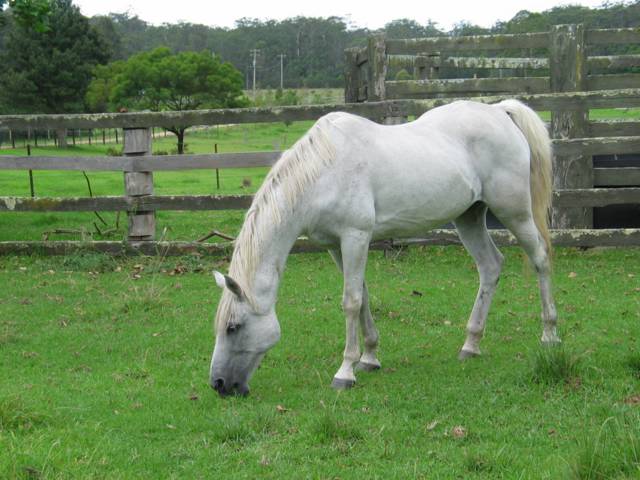
Tayah
Tayah was part of the family and a constant source of enjoyment for all who came to stay here. Her loud greeting of visitors at the front gate as well as louder demands for food at breakfast and dinnertime were well known. Her dislike of men in general and her stubbornness at being caught by or accepting any treatment from them could be as amusing as it was frustrating. Her breaks for “freedom” through the front gate when in season so she could parade up and down the road in front of the local stallions and geldings, in typical Arab fashion, confirmed she was a bit of a tart. She was, however, easily induced back into her yard with the rattle of the feed bucket and the promise of her favourite food, Economix horse pellets.
She now has a prime position in her favourite paddock looking down the hill where she can still check out all her horse friends in the neighbourhood as well as those pesky cows who have periodically encroached upon her patch.
Life here will be a lot quieter without her.
Saturday, February 05, 2005
The Trip Home
The final few humid days in Brisbane were enjoyable. We had a great dinner at "Urbane" in the city on the Friday night and welcomed home our friends from Canada on the Sunday morning. After catching up with all their news, we headed south down the inland New England Highway. It is certainly an easier drive than the coastal route. The temperature was a steamy 33C as we lunched at Warwick but, an hour later, we hit a huge storm with torrential rain, thunder and lightning. By the time we reached Stanthorpe, near the Queensland New South Wales border, the temperature had dropped to 17C. Break out the sweatshirts!!!!!
We stopped for the evening in the small country town of Glen Innes. The motel was OK but their "famous" steakhouse restuarant served stodge. What a pity! From all the advertising we expected a lot better. A locally produced Semillon was pretty ordinary too.
Next morning we headed off to the thriving rural centre of Armadale. Here we had a great breakfast and enjoyed the hustle and bustle of this obviously wealthy university town.
Next was Tamworth but we didn't stop. We heard on the radio they were nursing hangovers from the two week Australian Country Music Festival, the biggest in the world, that had finished the night before.
Lunch in Scone was accompanied by another thunderstorm. Undaunted by the weather, we headed through the Hunter Valley coal mines and electricity generating plants to the wine district of the lower valley.
Here we stayed a the Hunter Valley Resort, a huge complex with great accommodation and facilities. For dinner that night we ate at the Cellar Restuarant in the Hunter Valley Gardens - previously known as the Pokolbin Village. We returned for breakfast at one of the cafes.
Then we did some serious wine buying at Tyrells, Brokenwood and Draytons before heading to a friend's home in Woy Woy for the night.
Next morning I dropped off my travel partner at Sydney airport for her long 22 hour trip back to the USA and headed home.
All was ok at the farm apart from the horse being a little lame. Why? Who knows. Her left back leg is definitely bothering her and there is slight swelling. If things don't improve over the next week will have to get the vet.
The new vineyard was looking good. The Tempranillo has had a new lease of life and growth over the three weeks was amazing. Likewise for the Semillon apart from the top row which is suffering from either lack of moisture or soil compaction difficulties. The tops of the Pinot Noir had all been eaten off by the wallabies. This was not unexpected but disappointing all the same. The Cabernet Sauvignon is in the veraison stage with the grapes slowly changing color. The early netting seems to have deterred the birds although there are some satin birds keeping watch at a distance. There is no sign of disease in any block despite some heavy rain. The new spray program (preventative + curative) seems to be working.
The new Milton vineyard, however, has been "attacked" by downy mildew so there has been some frantic spraying going on in that area. The planting out continues apace.
That weekend found me at a wedding in Gerringong followed by a reception at Addisons in Shellharbor. A great time was had by all. The venue is really nice, the staff very accommodating and the food for the 130 guests was excellent. They have a restaurant underneath which may be worth checking out.
My ex secretary came down for a few days with her husband. We had a lot of laughs, drank a few bottles of wine, played very competitive Scrabble and pigged out on German food for 3 days.
The day after they left, my daughter brought a friend from England down for a few days. Sadly the weather was not typical (storms, wind and overcast) but we did the tourist guide thing and I think she was pretty impressed with our beaches and scenery. We also found her some kangaroos to photograph up close.
My digital camera is still in hospital. Am waiting to find out whether the problem is terminal or not.
We stopped for the evening in the small country town of Glen Innes. The motel was OK but their "famous" steakhouse restuarant served stodge. What a pity! From all the advertising we expected a lot better. A locally produced Semillon was pretty ordinary too.
Next morning we headed off to the thriving rural centre of Armadale. Here we had a great breakfast and enjoyed the hustle and bustle of this obviously wealthy university town.
Next was Tamworth but we didn't stop. We heard on the radio they were nursing hangovers from the two week Australian Country Music Festival, the biggest in the world, that had finished the night before.
Lunch in Scone was accompanied by another thunderstorm. Undaunted by the weather, we headed through the Hunter Valley coal mines and electricity generating plants to the wine district of the lower valley.
Here we stayed a the Hunter Valley Resort, a huge complex with great accommodation and facilities. For dinner that night we ate at the Cellar Restuarant in the Hunter Valley Gardens - previously known as the Pokolbin Village. We returned for breakfast at one of the cafes.
Then we did some serious wine buying at Tyrells, Brokenwood and Draytons before heading to a friend's home in Woy Woy for the night.
Next morning I dropped off my travel partner at Sydney airport for her long 22 hour trip back to the USA and headed home.
All was ok at the farm apart from the horse being a little lame. Why? Who knows. Her left back leg is definitely bothering her and there is slight swelling. If things don't improve over the next week will have to get the vet.
The new vineyard was looking good. The Tempranillo has had a new lease of life and growth over the three weeks was amazing. Likewise for the Semillon apart from the top row which is suffering from either lack of moisture or soil compaction difficulties. The tops of the Pinot Noir had all been eaten off by the wallabies. This was not unexpected but disappointing all the same. The Cabernet Sauvignon is in the veraison stage with the grapes slowly changing color. The early netting seems to have deterred the birds although there are some satin birds keeping watch at a distance. There is no sign of disease in any block despite some heavy rain. The new spray program (preventative + curative) seems to be working.
The new Milton vineyard, however, has been "attacked" by downy mildew so there has been some frantic spraying going on in that area. The planting out continues apace.
That weekend found me at a wedding in Gerringong followed by a reception at Addisons in Shellharbor. A great time was had by all. The venue is really nice, the staff very accommodating and the food for the 130 guests was excellent. They have a restaurant underneath which may be worth checking out.
My ex secretary came down for a few days with her husband. We had a lot of laughs, drank a few bottles of wine, played very competitive Scrabble and pigged out on German food for 3 days.
The day after they left, my daughter brought a friend from England down for a few days. Sadly the weather was not typical (storms, wind and overcast) but we did the tourist guide thing and I think she was pretty impressed with our beaches and scenery. We also found her some kangaroos to photograph up close.
My digital camera is still in hospital. Am waiting to find out whether the problem is terminal or not.
Saturday, January 22, 2005
The Trip North.....Pictures
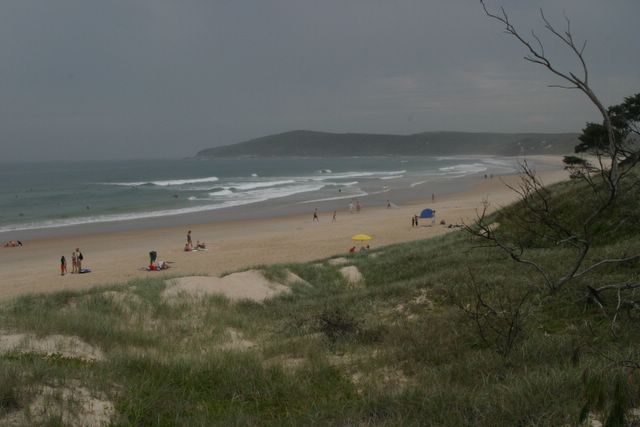
Back Beach, Angourie, NSW.
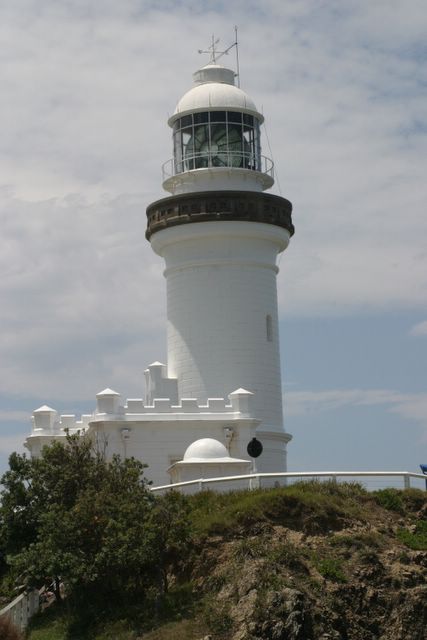
Cape Byron Lighthouse, Byron Bay, NSW.

Tallows Beach looking towards Broken Head, Cape Byron, NSW.

Glass House Mountains, Qld.

Purling Brook Falls, Lamington National Park, Qld.

View into New South Wales and Mount Warning from Lamington National Park, Qld.

Last Remnants of 2000 Year Old Antarctic Beech Forest, Lamington National Park, Qld.

A Sunning Blue Tongue Lizard, Rainforest, Lamington National Park, Qld.
Friday, January 21, 2005
The Trip North........ continued
Brisbane has been extremely hot and humid all the time we have been here so we spend as much time as possible in airconditioning ie. home, the car, restuarants, malls and cinemas.
This is not to say we haven't been on some sightseeing tours. We had a pleasant day driving up to Springbrook, Lamington National Park, in the Gold Coast hinterland. The altitude there made the climate more pleasant (7 degrees cooler)and the views from the escarpment to the coast as well as the rain forest walks and waterfalls were quite spectacular. We returned to Brisbane via Murwillumbah on the New South Wales side of the border.
Another trip involved the Eumundi markets on the Sunshine Coast. These markets are well worth the 90 minute trip north. It takes a couple of hours to get around and most of the goods and artifacts on sale are made locally. There is very little of the usual "market junk". A few local bands were playing and the food stalls are good too. Can recommend the bratwurst and sauerkraut on a roll with German mustard. We then headed for Noosa. This was another personal disappointment for me. Not having been there for many years, it was sad to see how developed this area had become. The once quiet beachside village with one of the best surf breaks in the country is now a thriving metropolis with high rise hotels, thousands of people and no parking spots! The surf break was a log jam of surf boards. As a result we headed back down south along the coast through Coolum, Mooloolaba and Caloundra. Needless to say the whole area mirrored the the Noosa developement although the latter town had managed to maintain some of its old world charm.
Back in Brisbane, we took the Rivercat up the Brisbane River to South Bank to see "Mamma Mia" at the Lyric Theatre in the Queensland Centre for Performing Arts. This was the fourth time I had seen the show and enjoyed it as much as the first but I think I may be Abba'd out now.
We also went back to the Breakfast Creek Hotel for another steak and then headed across the road to the Breakfast Creek Raceway to a trotting meeting. We stayed for four races and had a few bets. I think "break even" was the result on the night. Well, that's my story and I am sticking to it.
The movies seen so far have included "Meet the Fockers" (don't bother), Bridget Jones 2 (ok, but not as funny as the first) and "Finding Neverland" (well worth seeing!).
Can also recommend the restuarant and coffee house strips of Racecourse Road, Ascot and Oxford Street, Bulimba. The Piccolo BYO Restaurant near Oriel Park, Ascot is also nice with the banana pudding and rum sauce to die for.
At "home" we have also been enjoying the fresh seafood. We have eaten lots of reef fish including Red Emperor, Parrot Fish and Coral Trout. We had Barramundi one night as well as different types of prawns, red spot, tiger etc. and fresh mussels. The Bar B Q has been working overtime.
Our friends return from Canada on Sunday morning when we will begin our trip home. In the meantime we will enjoy our last few days.
For those that are asking "where are the pics?", I am sad to say my digital camera has decided to go on holidays too. I need to take it for service once I get back to Sydney. But I have access to other photos which will be put up on the site in due course.
This is not to say we haven't been on some sightseeing tours. We had a pleasant day driving up to Springbrook, Lamington National Park, in the Gold Coast hinterland. The altitude there made the climate more pleasant (7 degrees cooler)and the views from the escarpment to the coast as well as the rain forest walks and waterfalls were quite spectacular. We returned to Brisbane via Murwillumbah on the New South Wales side of the border.
Another trip involved the Eumundi markets on the Sunshine Coast. These markets are well worth the 90 minute trip north. It takes a couple of hours to get around and most of the goods and artifacts on sale are made locally. There is very little of the usual "market junk". A few local bands were playing and the food stalls are good too. Can recommend the bratwurst and sauerkraut on a roll with German mustard. We then headed for Noosa. This was another personal disappointment for me. Not having been there for many years, it was sad to see how developed this area had become. The once quiet beachside village with one of the best surf breaks in the country is now a thriving metropolis with high rise hotels, thousands of people and no parking spots! The surf break was a log jam of surf boards. As a result we headed back down south along the coast through Coolum, Mooloolaba and Caloundra. Needless to say the whole area mirrored the the Noosa developement although the latter town had managed to maintain some of its old world charm.
Back in Brisbane, we took the Rivercat up the Brisbane River to South Bank to see "Mamma Mia" at the Lyric Theatre in the Queensland Centre for Performing Arts. This was the fourth time I had seen the show and enjoyed it as much as the first but I think I may be Abba'd out now.
We also went back to the Breakfast Creek Hotel for another steak and then headed across the road to the Breakfast Creek Raceway to a trotting meeting. We stayed for four races and had a few bets. I think "break even" was the result on the night. Well, that's my story and I am sticking to it.
The movies seen so far have included "Meet the Fockers" (don't bother), Bridget Jones 2 (ok, but not as funny as the first) and "Finding Neverland" (well worth seeing!).
Can also recommend the restuarant and coffee house strips of Racecourse Road, Ascot and Oxford Street, Bulimba. The Piccolo BYO Restaurant near Oriel Park, Ascot is also nice with the banana pudding and rum sauce to die for.
At "home" we have also been enjoying the fresh seafood. We have eaten lots of reef fish including Red Emperor, Parrot Fish and Coral Trout. We had Barramundi one night as well as different types of prawns, red spot, tiger etc. and fresh mussels. The Bar B Q has been working overtime.
Our friends return from Canada on Sunday morning when we will begin our trip home. In the meantime we will enjoy our last few days.
For those that are asking "where are the pics?", I am sad to say my digital camera has decided to go on holidays too. I need to take it for service once I get back to Sydney. But I have access to other photos which will be put up on the site in due course.
Wednesday, January 12, 2005
Another Trip North
We headed for Brisbane via Gosford just after New Year. This is a 1000km journey on one of the most dangerous highways in Australia. The traffic was quite heavy most of the way due to the holiday period but most drivers were well behaved. This was due perhaps to a considerable police presence both in marked and unmarked cars. It also rained most of the way which slowed people down. We stopped at Port Macquarie for lunch and then drove onto Coffs Harbour where we spent the night. Had a great el fresco fish dinner at the wharf, squid ink pasta with seafood and barramundi deep fried in a parmasan batter. Next morning we had a nice brekky at Woolgoolga and headed on a small detour to Yamba and Angourie, an old surfing haunt of mine many years ago.
They say you should never go back.
The once pristine area is now covered in houses and the beaches were crowded with people. The once clear fresh water pools near Angourie Point were murky and on the verge of algae pollution. But the old Yamba pub still sold the coldest beer in the area.
Further north we ventured on another detour (also surfing related) from Ballina to Byron Bay via Lennox Head. Same story! All now over developed. Cape Byron is the most easterly point on the Australian mainland. A very grand lighthouse stands there. The view is usually impressive but on that day a howling north easterly wind had caused a considerable sea mist which blanketed the area. The Byron township was over run with people so we continued our journey north spending the night at Tweed Heads on the New South Wales/Queensland border. We went over to the local bowling club for a drink. It is more like a Las Vegas casino with slots, restaurants, and shows. We played bingo and each won $15 shopping vouchers. It was a fun night with all the old foggies.
The next morning we detoured through Surfers Paradise (a paradise by name only), the main centre of the Gold Coast, and finally arrived in Brisbane for our house sitting duties.
After depositing our friends at Brisbane Airport for their trip to Canada, we began our rediscovery of Brisbane which, by the way, I consider my home town. Our local area has a nice street of coffee shops and restaurants and is handy to the freeway to both north and south coasts as well as to the city via the river ferry.
On Saturday we headed north past the Glasshouse Mountains and up into the Blackall Range to the town of Maleny. Apart from the spectacular views of the volcanic formations of the Glasshouses, this little town is now a tourist hub with lots of arts and craft shops as well as coffee shops and cafes. We continued on and got a little lost ending up a lot further north than expected. This gave us a chance, however, to visit the "largest ginger processing plant in the world" to buy ginger chocolates and biscuits as well as have lunch at Coolum, a thriving beachside town between Noosa and Caloundra. In my surfing days this place consisted of a petrol station and hamburger store in the middle of the sand dunes. Not any more!!!!
On Sunday we ventured into the city for the Riverside markets, saw a movie (The Fockers) and had dinner at the Breakfast Creek Hotel for one of the best (and most expensive) steaks in the country.
So far so good! This adventure continues!
They say you should never go back.
The once pristine area is now covered in houses and the beaches were crowded with people. The once clear fresh water pools near Angourie Point were murky and on the verge of algae pollution. But the old Yamba pub still sold the coldest beer in the area.
Further north we ventured on another detour (also surfing related) from Ballina to Byron Bay via Lennox Head. Same story! All now over developed. Cape Byron is the most easterly point on the Australian mainland. A very grand lighthouse stands there. The view is usually impressive but on that day a howling north easterly wind had caused a considerable sea mist which blanketed the area. The Byron township was over run with people so we continued our journey north spending the night at Tweed Heads on the New South Wales/Queensland border. We went over to the local bowling club for a drink. It is more like a Las Vegas casino with slots, restaurants, and shows. We played bingo and each won $15 shopping vouchers. It was a fun night with all the old foggies.
The next morning we detoured through Surfers Paradise (a paradise by name only), the main centre of the Gold Coast, and finally arrived in Brisbane for our house sitting duties.
After depositing our friends at Brisbane Airport for their trip to Canada, we began our rediscovery of Brisbane which, by the way, I consider my home town. Our local area has a nice street of coffee shops and restaurants and is handy to the freeway to both north and south coasts as well as to the city via the river ferry.
On Saturday we headed north past the Glasshouse Mountains and up into the Blackall Range to the town of Maleny. Apart from the spectacular views of the volcanic formations of the Glasshouses, this little town is now a tourist hub with lots of arts and craft shops as well as coffee shops and cafes. We continued on and got a little lost ending up a lot further north than expected. This gave us a chance, however, to visit the "largest ginger processing plant in the world" to buy ginger chocolates and biscuits as well as have lunch at Coolum, a thriving beachside town between Noosa and Caloundra. In my surfing days this place consisted of a petrol station and hamburger store in the middle of the sand dunes. Not any more!!!!
On Sunday we ventured into the city for the Riverside markets, saw a movie (The Fockers) and had dinner at the Breakfast Creek Hotel for one of the best (and most expensive) steaks in the country.
So far so good! This adventure continues!
Sunday, January 02, 2005
The Rest of December
Christmas celebrations were held on the farm with extended "family". There were lots of presents to open on Christmas morning and Santa was very kind to each of us. Instead of the traditional hot dinner we decided this year to make it 100% seafood. So we had a feast of oysters, prawns, lobster and Balmain bugs all washed down with copious quantities of sparkling white wine and Semillon. We did however revert to plum pudding and brandy custard at the finish.
Christmas Dinner
The Cabernet Sauvignon has reached the bunch closure stage ie. the grape berries have reached maximum size. This meant a final spray against botrytis. Most of the bunches are quite large and have substantial "wings". This indicates a good potential yield. We now await veraison (color change) and the ripening process.

Bunch Closure Cabernet Sauvignon
Due to the fact we are heading north to Brisbane for 3 weeks, we had to net the Cabernet in case early ripening attracted the dreaded birds. They can wipe out a crop in a few days. This meant a thorough spraying against downy and powdery mildew. It is a risk to leave the grapes for 3 weeks without spraying but am sure the weather will be with us and all will turn out ok. The new vines continue to do well.
Netted Cabernet Sauvignon

Christmas Dinner
The Cabernet Sauvignon has reached the bunch closure stage ie. the grape berries have reached maximum size. This meant a final spray against botrytis. Most of the bunches are quite large and have substantial "wings". This indicates a good potential yield. We now await veraison (color change) and the ripening process.

Bunch Closure Cabernet Sauvignon
Due to the fact we are heading north to Brisbane for 3 weeks, we had to net the Cabernet in case early ripening attracted the dreaded birds. They can wipe out a crop in a few days. This meant a thorough spraying against downy and powdery mildew. It is a risk to leave the grapes for 3 weeks without spraying but am sure the weather will be with us and all will turn out ok. The new vines continue to do well.
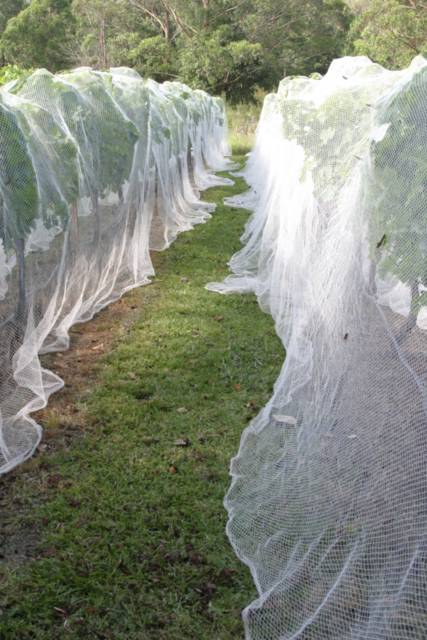
Netted Cabernet Sauvignon
Tuesday, December 14, 2004
December...so far
We have a busy few weeks. A trip to Sydney doubled as a Christmas shopping excursion and a new car pickup. We also enjoyed a Thai meal with family in the shadows of the Sydney Harbour Bridge at Milsons Point. It is a very crowded and noisy restuarant that spills out onto the street but the food is excellent and there is a excellent wine shop next door. The 2004 Giesen Sauvignon Blanc from Marlborough, NZ is a wonderful wine to try and goes well with Asian food.
The new car is great. It is very comfortable to drive and has lots of "goodies" to play with. I have to be careful with the speed however. It does tend to get away from me. Guess that's what happens when you suddenly have a motor double the capacity you are used to.
Subaru Forester 2.5 X
We have had weeks of rain and thunderstorms. So far the grapes have remained disease free. This is not the case with a lot of vineyards in the area. Downy mildew is such a problem there is a shortage of chemicals to deal with it. No one expected such a prolonged rain event. The Cabernet Sauvignon has set its fruit and bunch sizes seem bigger than usual.
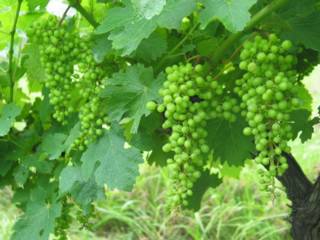
New Bunches on Cabernet Sauvignon
In the new block, the Semillon is being trained along the cordon wire. Almost 80% are at this stage. The rest are catching up. The Tempranillo have put on a spurt and may not be the problem first thought. In the meantime we continue to help out in the Milton vineyard. We estimate that we must be at least to 50% of planting. That's 7500 vines! It should be all downhill from here.
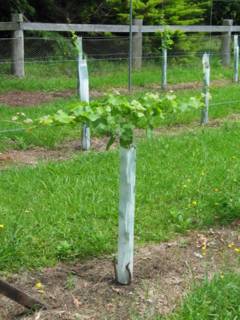
Semillon Trained Along Cordon Wire
The farm is looking good. Dams are full and the grass is green and lush. The cattle are taking advantage of the good feed and are looking fatter. The calves are doing well and it may soon be time to wean them which is always a noisy time.
The downside of the humid weather is the huge tick population explosion. They are annoying not only the cattle and the horse but us humans as well. We have to be sure to be wearing insect repellent any time we spend a lot of time in the paddocks. Their bites can be quite nasty if you are allergic and of course there is always the danger of Lyme Disease.
The Calves
The horse should be sprayed with insecticide. But as she hates this I have to wash her with it. This is always fun! I have found a "pour on" for the cattle which will not only deal with the ticks but also with internal worms, lice and even liver fluke. This beats oral administration any day. So I guess we will be rounding them up any day now and doing the job on them.
In the meantime we are enjoying our fresh peaches from the orchard and our fresh lettuce, rocket and herbs from the vege garden.
The new car is great. It is very comfortable to drive and has lots of "goodies" to play with. I have to be careful with the speed however. It does tend to get away from me. Guess that's what happens when you suddenly have a motor double the capacity you are used to.

Subaru Forester 2.5 X
We have had weeks of rain and thunderstorms. So far the grapes have remained disease free. This is not the case with a lot of vineyards in the area. Downy mildew is such a problem there is a shortage of chemicals to deal with it. No one expected such a prolonged rain event. The Cabernet Sauvignon has set its fruit and bunch sizes seem bigger than usual.

New Bunches on Cabernet Sauvignon
In the new block, the Semillon is being trained along the cordon wire. Almost 80% are at this stage. The rest are catching up. The Tempranillo have put on a spurt and may not be the problem first thought. In the meantime we continue to help out in the Milton vineyard. We estimate that we must be at least to 50% of planting. That's 7500 vines! It should be all downhill from here.
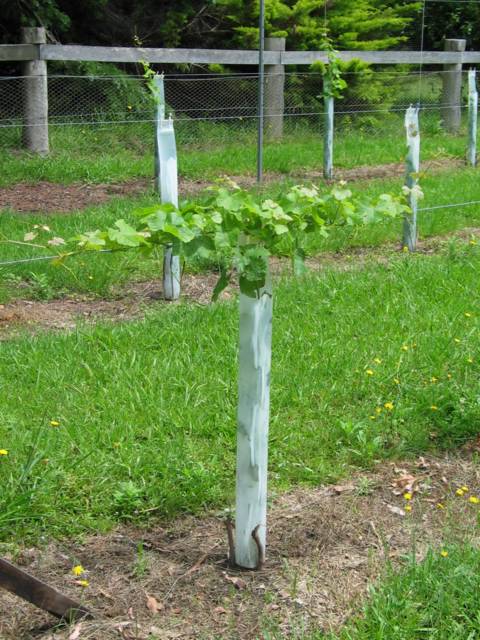
Semillon Trained Along Cordon Wire
The farm is looking good. Dams are full and the grass is green and lush. The cattle are taking advantage of the good feed and are looking fatter. The calves are doing well and it may soon be time to wean them which is always a noisy time.
The downside of the humid weather is the huge tick population explosion. They are annoying not only the cattle and the horse but us humans as well. We have to be sure to be wearing insect repellent any time we spend a lot of time in the paddocks. Their bites can be quite nasty if you are allergic and of course there is always the danger of Lyme Disease.

The Calves
The horse should be sprayed with insecticide. But as she hates this I have to wash her with it. This is always fun! I have found a "pour on" for the cattle which will not only deal with the ticks but also with internal worms, lice and even liver fluke. This beats oral administration any day. So I guess we will be rounding them up any day now and doing the job on them.
In the meantime we are enjoying our fresh peaches from the orchard and our fresh lettuce, rocket and herbs from the vege garden.
Subscribe to:
Posts (Atom)


.jpg)